
Minamata Convention & Health Sector: Mercury-Added Products
Minamata Convention on Mercury
Explore the Minamata Convention's impact on the health sector, focusing on mercury-added products and global efforts to reduce mercury exposure.
Key highlights:
- Obligations for parties regarding mercury-added products.
- The role of the health sector in implementing the convention.
- Updates on the GEF-7 project phasing down dental amalgam.
- Strategies for preventing dental caries and reducing mercury use in healthcare.
Summary
Key Takeaways
- 1The Minamata Convention aims to protect human health and the environment from anthropogenic emissions and releases of mercury and mercury compounds.
- 2Health ministries play a leading role in implementing the convention, particularly concerning mercury-added products and health-related articles.
- 3GEF-funded projects support countries in phasing down dental amalgam, eliminating mercury in skin-lightening products, and phasing out mercury measuring devices.
- 4Multi-sectoral collaboration between health and environment ministries is crucial for the successful implementation of the Minamata Convention.
- 5These projects contribute to achieving Universal Health Coverage by ensuring access to safe and effective healthcare services without financial hardship.
- 6Addressing mercury in skin-lightening products requires a coordinated approach due to unregulated markets and social stigmas driving their use.
- 7Phasing out mercury-containing medical devices requires careful management to maintain access to essential healthcare services and ensure the performance of replacement devices.
Walk through
Slide Contents
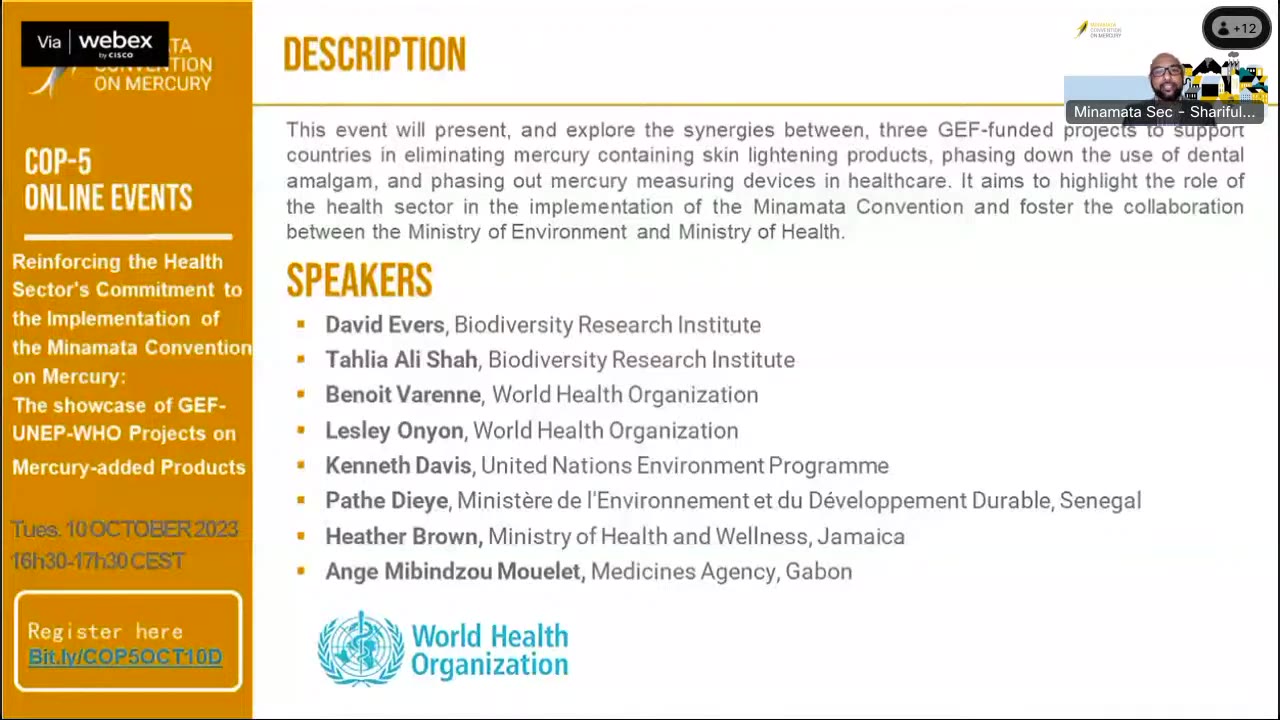
Sharif Islam introduces the online event as part of the COP5 series, emphasizing its role as an informal platform for sharing information and fostering collaboration among stakeholders. The session aims to explore innovative solutions related to the Minamata Convention.

Instructions are provided for participants to adjust audio and video settings, access the participants and chat panels, and seek technical assistance. The session is being recorded and broadcast live on YouTube.
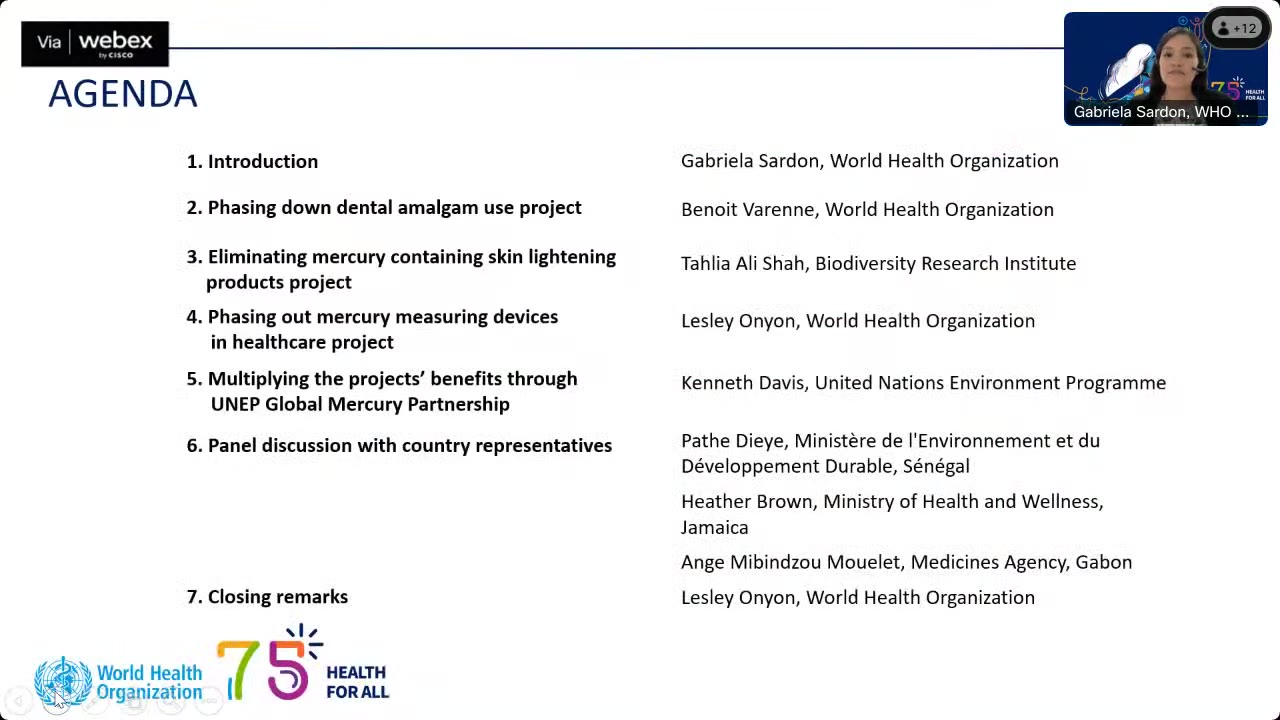
Gabby Sardon introduces the agenda, which includes an overview of the Minamata Convention, presentations on three projects addressing mercury-added products, a panel discussion with country representatives, and closing remarks.
The Minamata Convention is a global treaty designed to protect human health and the environment from anthropogenic emissions and releases of mercury and mercury compounds, addressing the entire lifecycle of mercury.
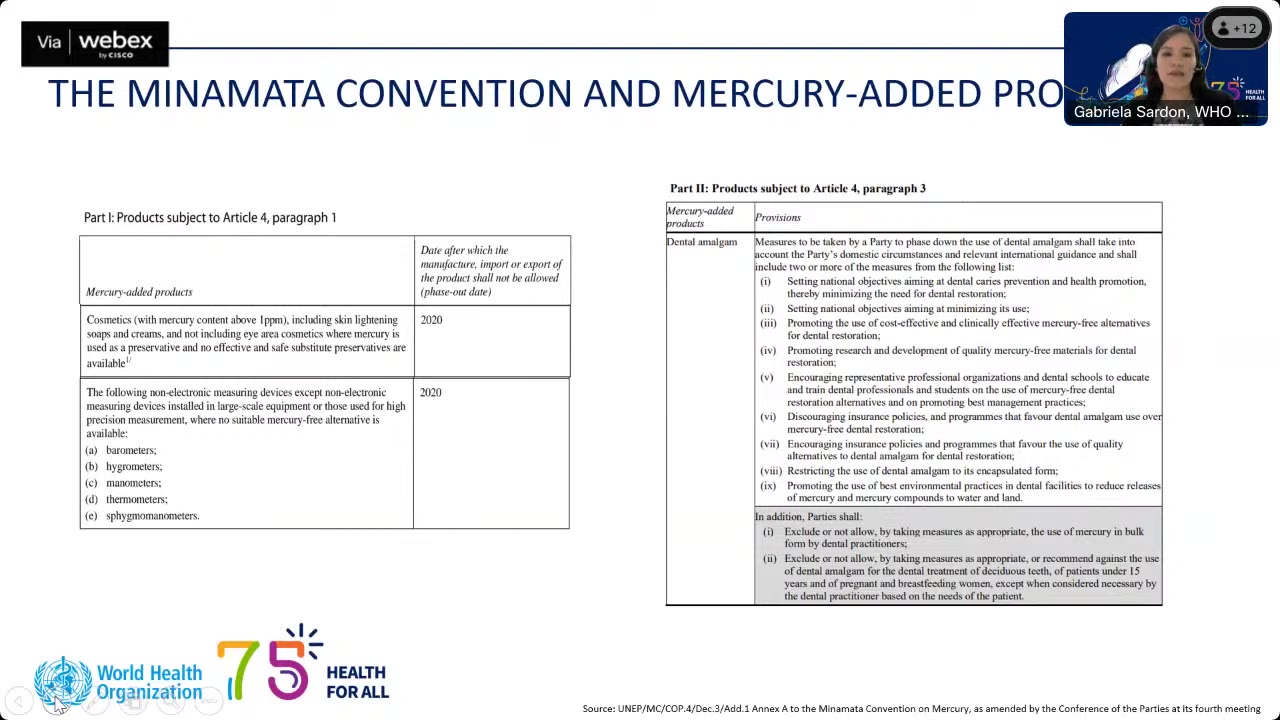
Article 4 of the convention outlines obligations related to mercury-added products, including dental amalgam, skin-lightening products, and measuring devices, with phase-out dates and provisions for reducing dental amalgam use.
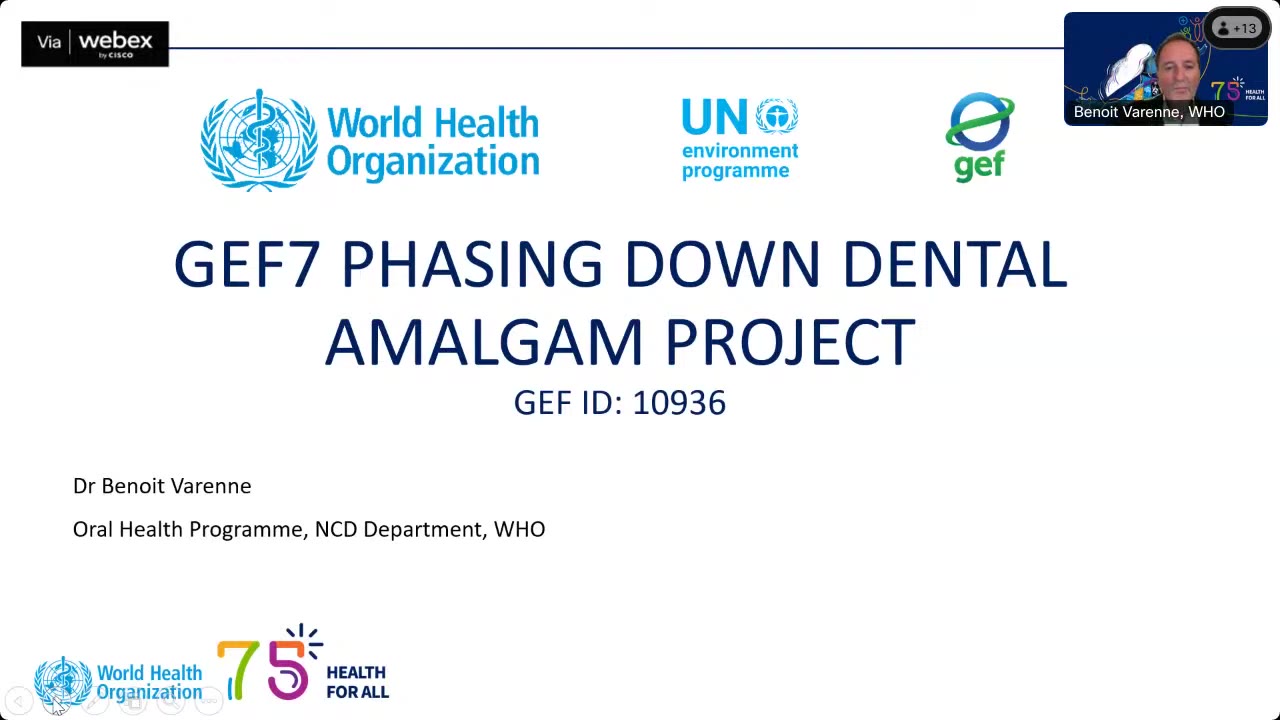
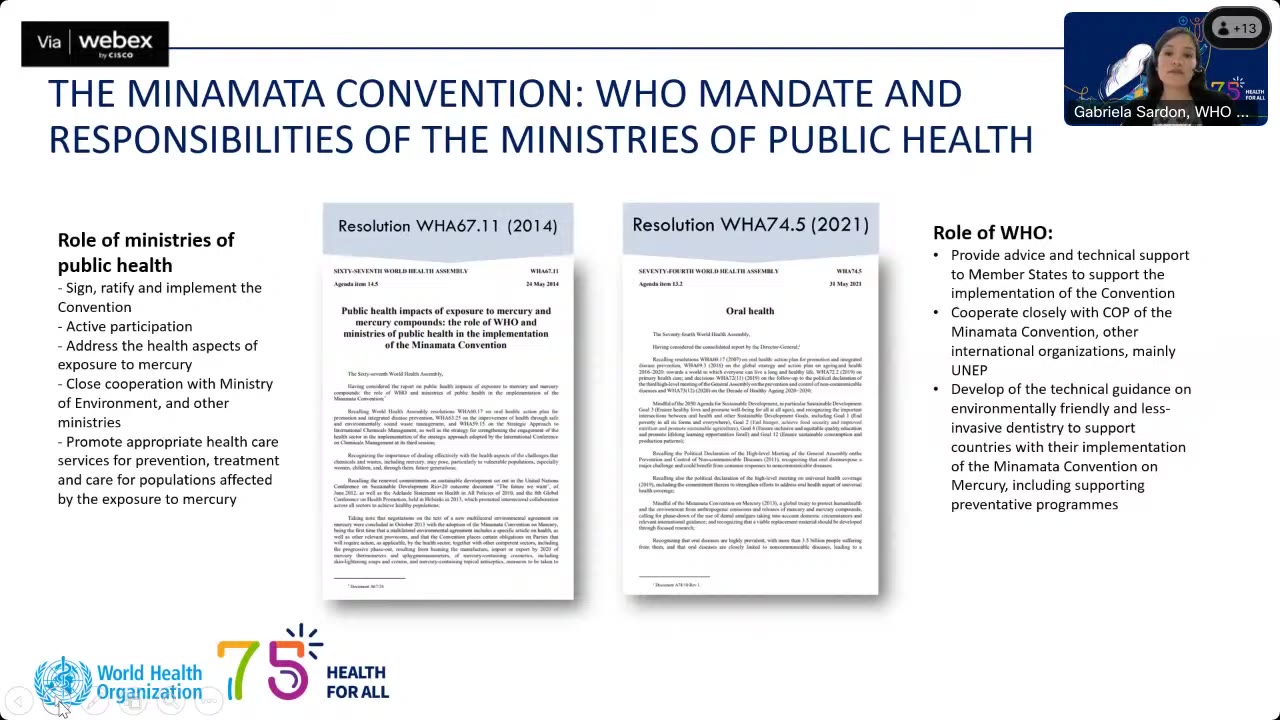
Human health is central to the convention, highlighting the leading role of health ministries in health-related articles. Collaboration between the Conference of the Parties and WHO is emphasized, along with articles on mercury waste, information exchange, and research.
Related Resources

Intro to Epidemiology: Origins & Triumphs
Axis Lab
Presenting Clinical Research Results Effectively
Axis Lab
COVID-19: What We Think We Know
Axis Lab

Cancer Metabolism: From Molecules to Medicine
Axis Lab
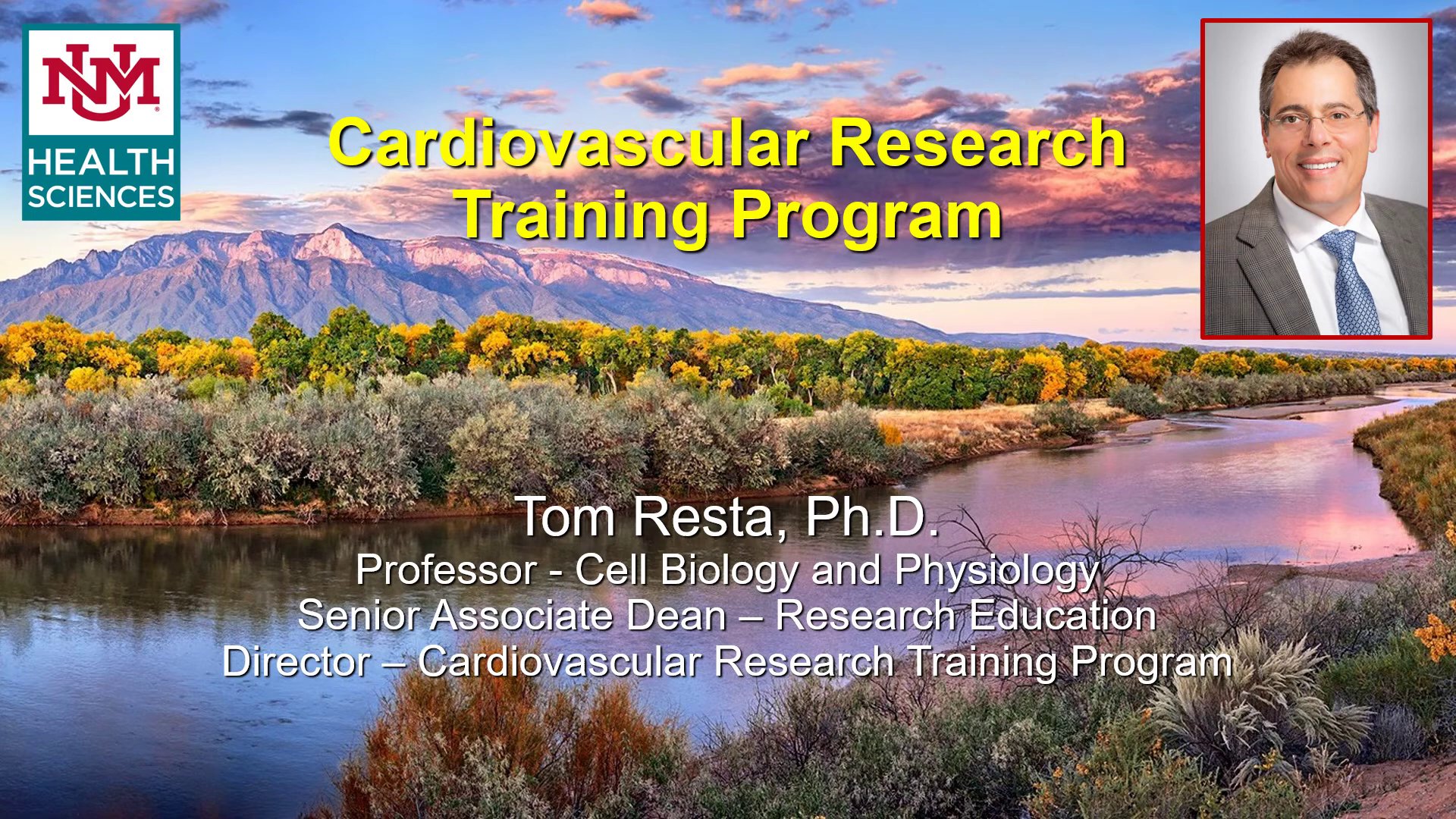
Cardiovascular Research Training Program at UNM
Axis Lab
Tissue Gnostics: Lymphoid Structures & Cancer
Axis Lab