AI & Climate: Building Energy Efficiency
Stanford Online
This webinar explores the intersection of AI and climate, focusing on using AI to understand and optimize the interactions between people, buildings, and energy systems for sustainability.
Key highlights include:
- Data-driven solutions for urban energy efficiency.
- Optimizing office spaces for energy savings and social interaction.
- Using AI to maximize the positive impact of buildings on human well-being.
- Balancing energy efficiency with occupant comfort and collaboration.
内容摘要
核心要点
- 1AI can be used to optimize building energy usage while maximizing occupant well-being and social interaction in office spaces.
- 2Integrating AI with building physics principles can significantly improve the accuracy and effectiveness of urban-scale energy modeling and retrofit strategies.
- 3ClimateAi's platform provides weather and climate forecasts, along with impact models, to help businesses in the food and agriculture sectors adapt to climate change.
- 4Large language models and agentic workflows offer opportunities to improve the interpretability, flexibility, and actionability of climate data for customers.
- 5AI can enhance the speed and efficiency of software development and feature rollout in climate tech platforms.
- 6Data security and the potential leakage of proprietary information are significant concerns when using AI, especially large language models, in business applications.
- 7While AI offers powerful tools for addressing climate challenges, it's crucial to consider the energy consumption of AI models and strive for sustainable solutions.
演示预览
幻灯片内容

Jennifer Gardner welcomes attendees to the AI and Climate webinar, highlighting the broad scope of the topic and the intention to ground the discussion in science, data, and real-world implications. The session includes lightning talks, Q&A, and a program overview.

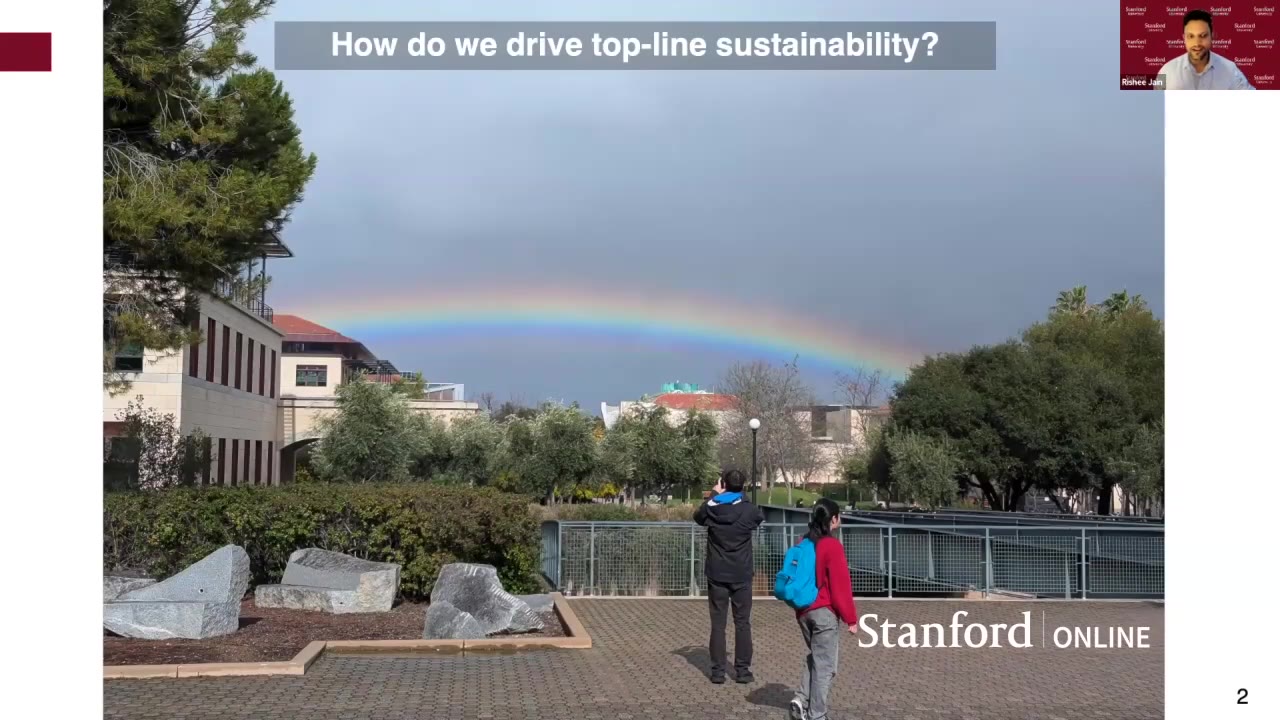
Rishee Jain emphasizes the need to reframe the sustainability discussion to focus on maximizing the positive impact of building and energy systems on human well-being, rather than solely on reducing emissions and costs. He advocates for considering the impact on human life for every resource expended.
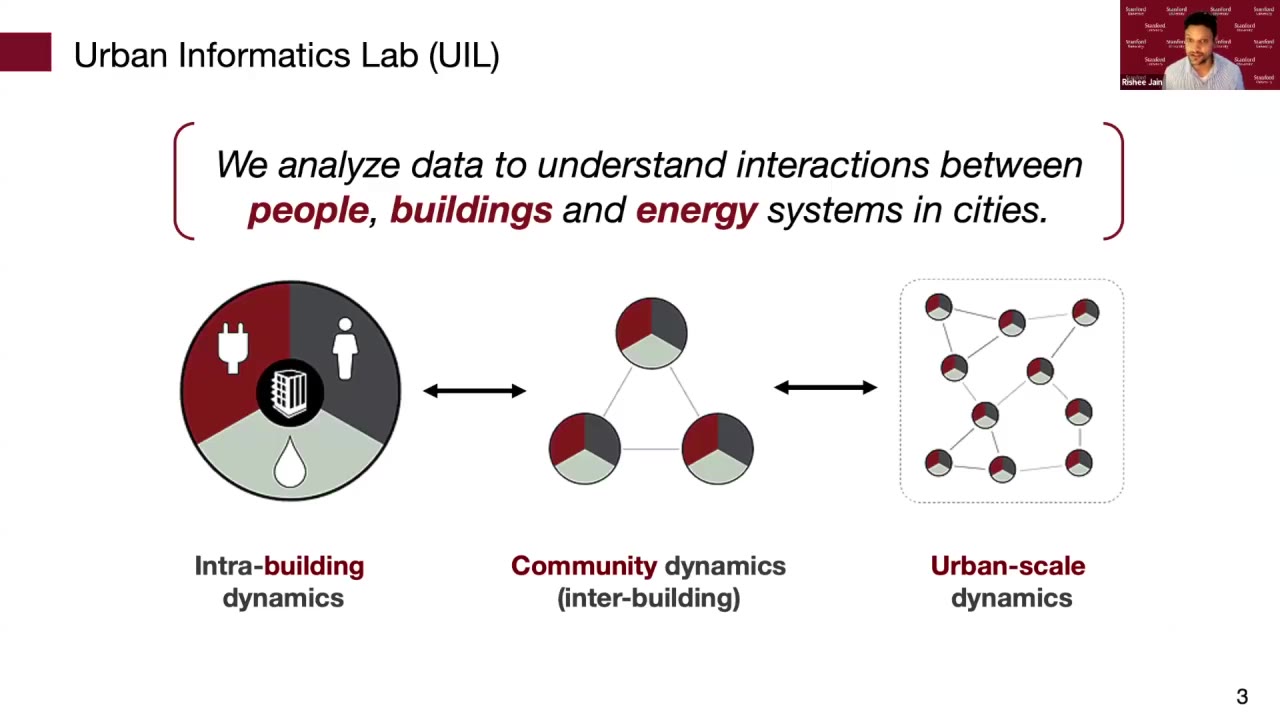
Jain's research analyzes data to understand the interactions between people, buildings, and energy systems in cities, focusing on intrabuilding dynamics, community dynamics, and the urban scale. The goal is to develop data-driven solutions for urban sustainability.
The modern office environment presents both opportunities and challenges, especially with the rise of hybrid workplaces. While remote work is effective for individual tasks, collaboration and brainstorming benefit from in-person interactions.
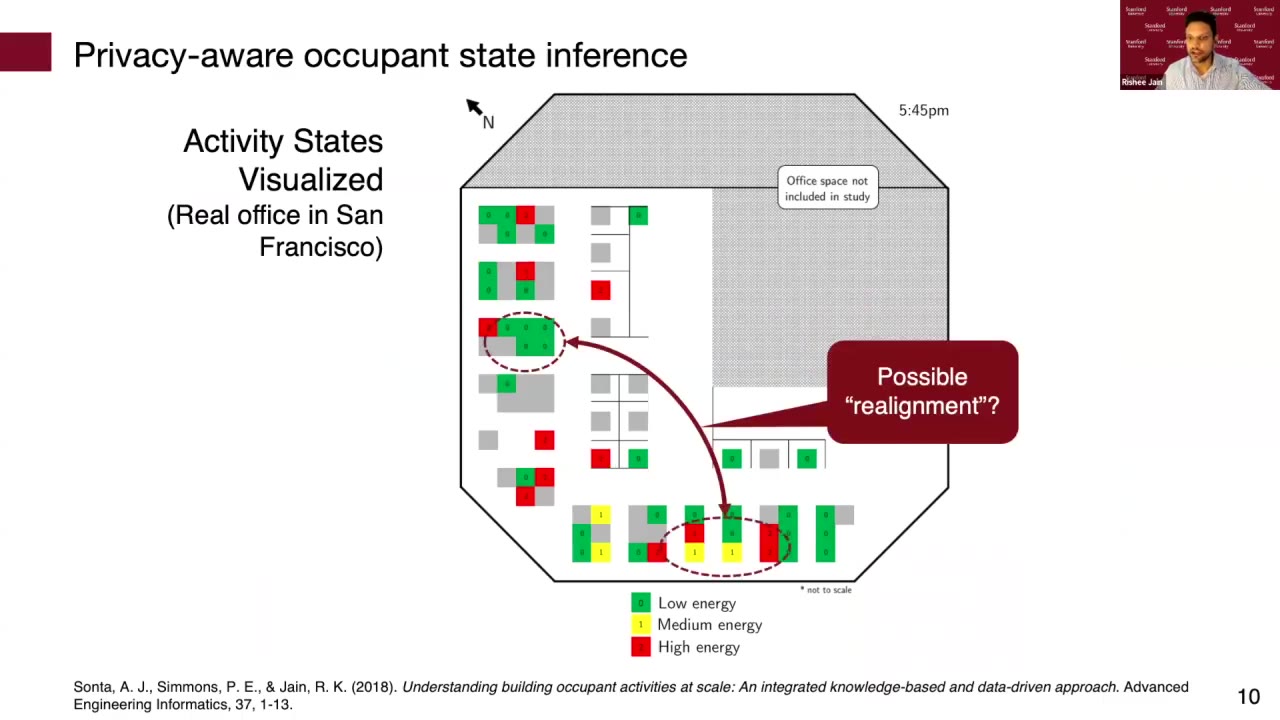
Jain's work aims to optimize the interactions between occupants and building systems (lighting, heating, and cooling) across space and time. This involves blending occupant needs with energy efficiency goals.
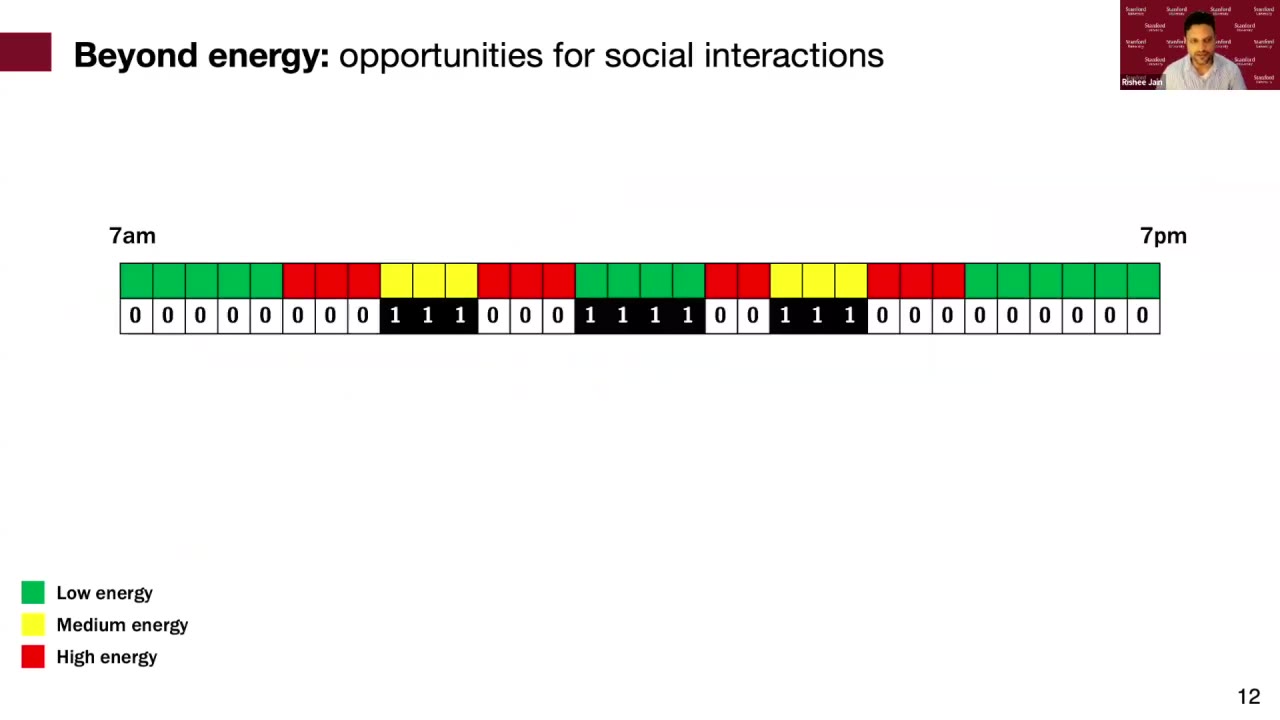
Privacy-aware inference is used to understand occupancy patterns in office spaces, identifying areas that are heavily used versus those that are empty. This data can inform strategies for optimizing lighting and HVAC systems.