
Tissue Gnostics: Lymphoid Structures & Cancer
TissueGnostics Global
This video features a presentation on lymphoid structures, their architectural complexity, functionality, and clinical relevance, particularly in cancer research. The presentation was recorded at the Euro BioImaging Use of Forums event focusing on immunology.
Key highlights include:
- The role of B cells in ectopic lymphoid structures (TLS).
- The association of TLS with favorable patient prognoses in various cancers.
- The use of TissueFAXS-based computerized microscopy for quantitative analysis.
- The clinical relevance of variables characterizing lymphoid structures.
概要
重要ポイント
- 1Ectopic lymphoid structures (ELS) and B cells within tumor microenvironments are associated with favorable patient outcomes in multiple cancer types.
- 2Quantitative tissue image cytometry, particularly using TissueFAXS, enables precise measurement of immune cell populations and ELS characteristics at tumor sites.
- 3The 'deco' strategy integrates immunostaining, quantitative image analysis, and clinical data to reveal the prognostic value of lymphoid structures.
- 4The immunological imprint of lymphoid structures in non-tumorous colon tissue can predict clinical outcomes in patients with metastatic colorectal cancer.
- 5TissueGnostics' TissueFAXS platform facilitates automated, high-throughput imaging and analysis of tissue samples for detailed immune profiling.
- 6StrataQuest software offers comprehensive image analysis capabilities, including single-cell analysis, spatial phenotyping, and neighborhood analysis.
- 7Advanced imaging and analysis tools are crucial for unlocking the complexity of lymphoid structure biology and identifying novel biomarkers for cancer prognosis and treatment.
ウォークスルー
スライド内容
The webinar introduces Professor Danna Mesira Kva from the Medical University of Vienna and Anastasia Machuk from TissueGnostics. The presentation, originally recorded for the Eurobi Imaging user forum, focuses on immunology and will explore lymphoid structures and cancer.
Professor Kva's presentation focuses on the architectural complexity, functionality, and clinical relevance of lymphoid structures with germinal centers. It highlights the importance of understanding these structures in the context of cancer.
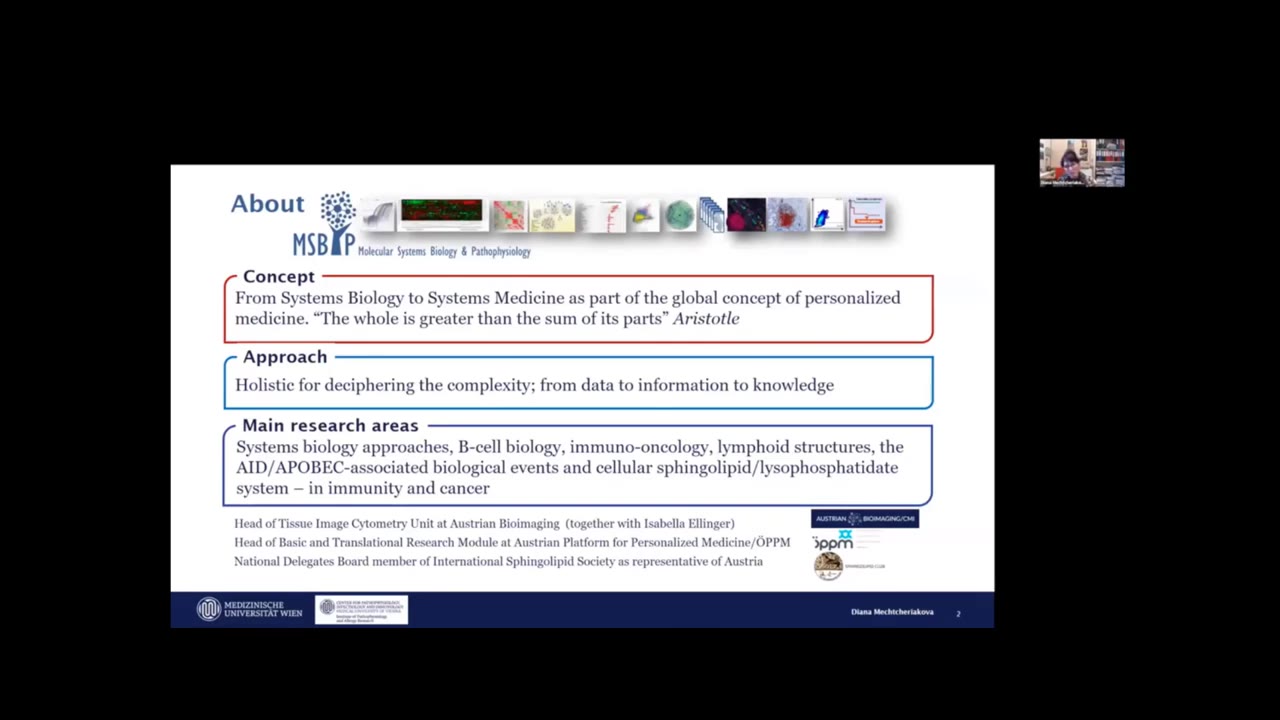
The research group's concept is based on systems biology and personalized medicine, emphasizing a holistic approach to understanding complex biological systems. Key research areas include B-cell biology, immunology, lymphoid structures, and cellular lipid systems in immunity and cancer.
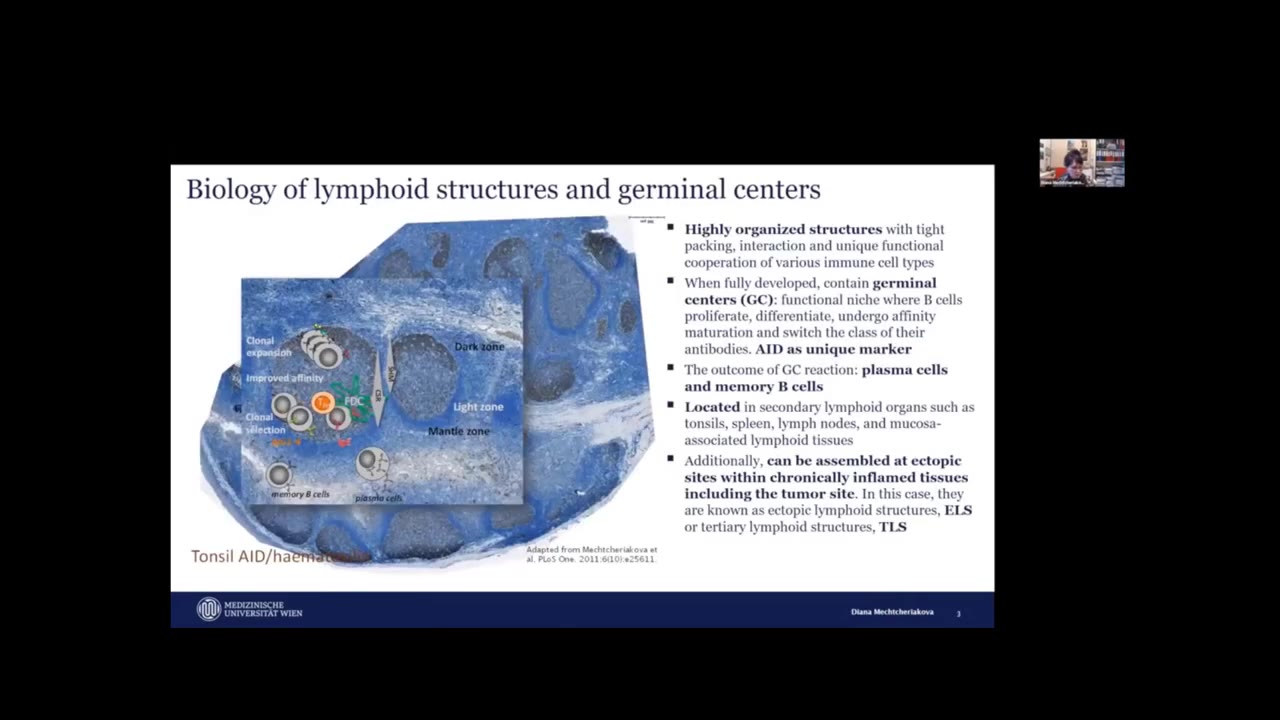
Lymphoid structures are highly organized with functional cooperation of immune cells like B cells, follicular T helper cells, and follicular dendritic cells. Germinal centers within these structures are sites of B cell proliferation, differentiation, and antibody maturation. Activation-induced cytidine deaminase (AID) is a marker of active germinal centers.
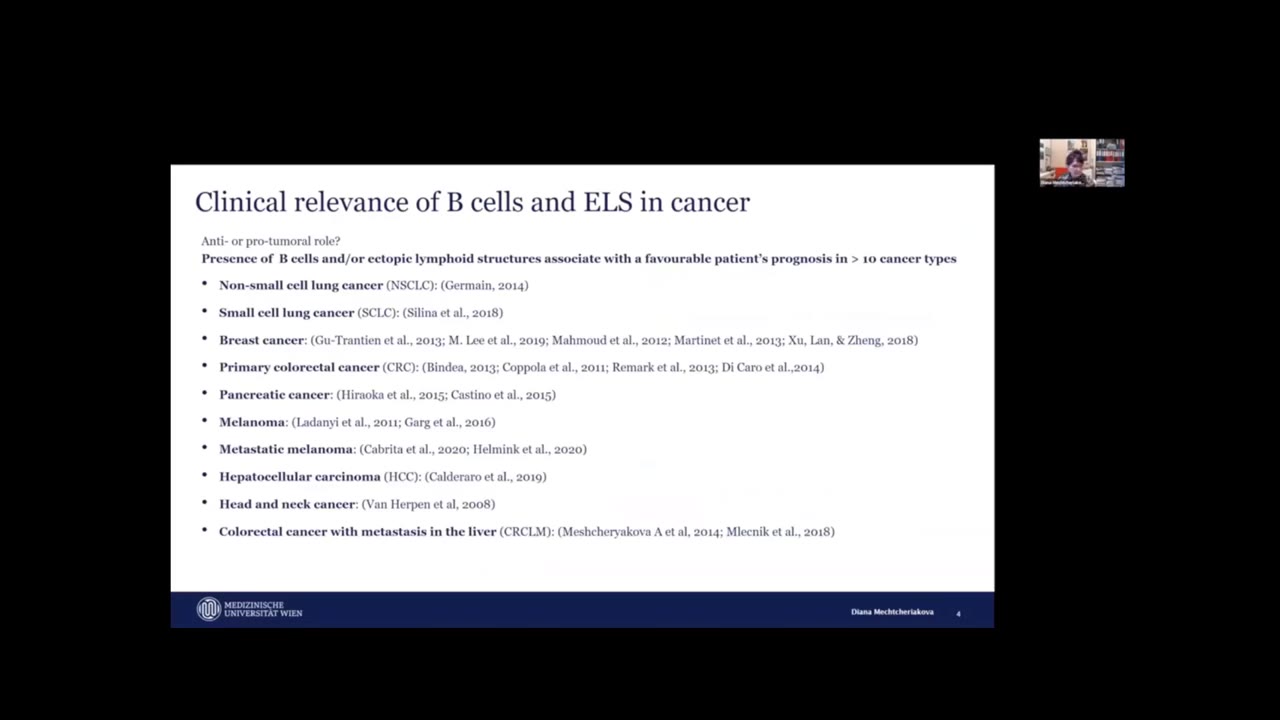
The presence of B cells and ectopic lymphoid structures (ELS) is associated with favorable patient prognosis in several cancer types, including non-small cell lung cancer, breast cancer, and colorectal cancer with liver metastasis. Research has shown the accumulation of B cells and ELS around liver metastases in colorectal cancer.
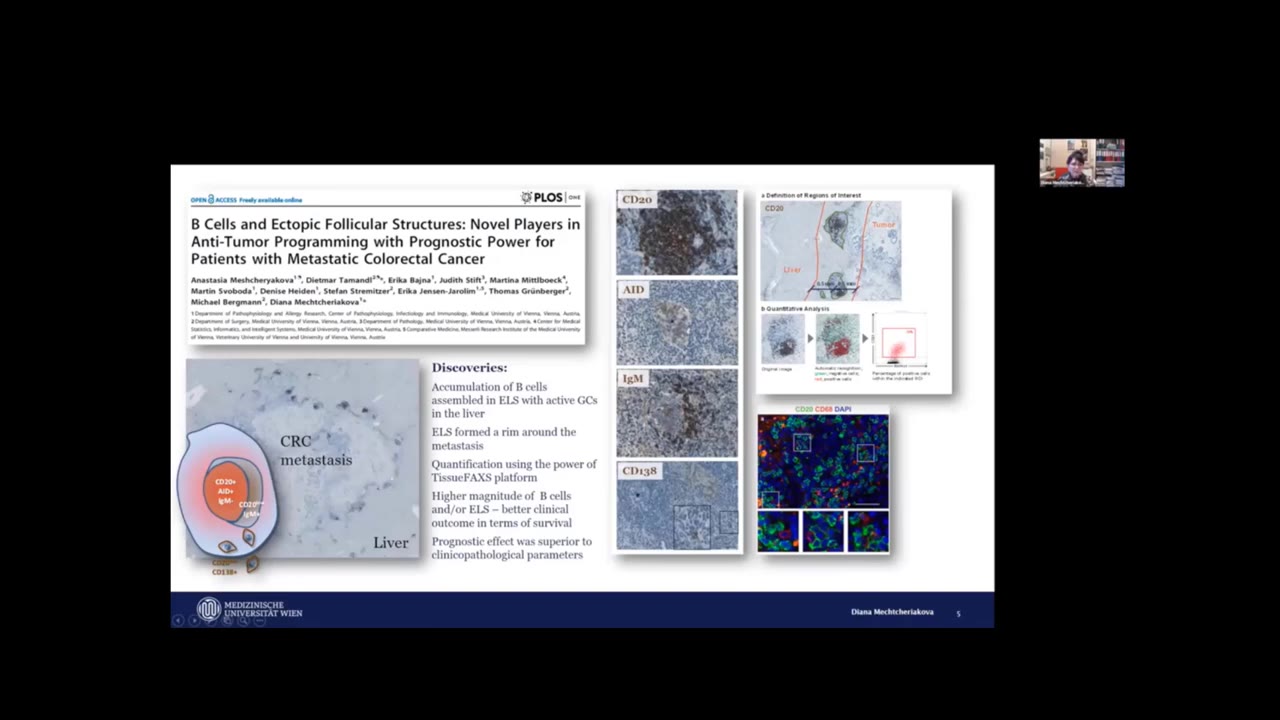
The number of B cells and ELS at the tumor-liver border was quantified using tissue image cytometry. Higher numbers of B cells and ELS were associated with better clinical outcomes, surpassing the prognostic value of clinical pathological parameters.
関連リソース

Intro to Epidemiology: Origins & Triumphs
Axis Lab
Presenting Clinical Research Results Effectively
Axis Lab
COVID-19: What We Think We Know
Axis Lab

Cancer Metabolism: From Molecules to Medicine
Axis Lab

Cardiovascular Research Training Program at UNM
Axis Lab

Minamata Convention & Health Sector: Mercury-Added Products
Axis Lab