
COVID-19: What We Think We Know
International Medical Corps
This video discusses the current understanding of COVID-19, including symptoms, transmission, and risk factors. Experts share insights on personal protective equipment (PPE) and best practices for healthcare workers.
- Classic and less typical symptoms of COVID-19
- Modes of transmission: droplets and contact
- Importance of hand hygiene and avoiding touching the face
- Risk factors for severe COVID-19
- PPE guidelines for healthcare workers
概要
重要ポイント
- 1Assume every patient is COVID-19 positive and use appropriate PPE, given the prevalence of atypical presentations and potential for asymptomatic transmission.
- 2Practice thorough hand hygiene, washing for 20-40 seconds, and avoid touching your face to minimize the risk of contact transmission.
- 3Understand the modes of transmission (droplet vs. airborne) to implement appropriate infection control measures, especially during aerosol-generating procedures.
- 4Recognize the limitations of current testing capabilities and the potential for false negatives, which can impact clinical decision-making.
- 5Be aware of the ethical challenges related to resource allocation and the need for transparent and equitable triage protocols.
- 6Consider the social and cultural context of the pandemic, including the impact of language, policy responses, and social inequalities.
- 7Understand that the pandemic is a rapidly evolving situation, and stay updated on the latest scientific evidence and public health recommendations.
ウォークスルー
スライド内容

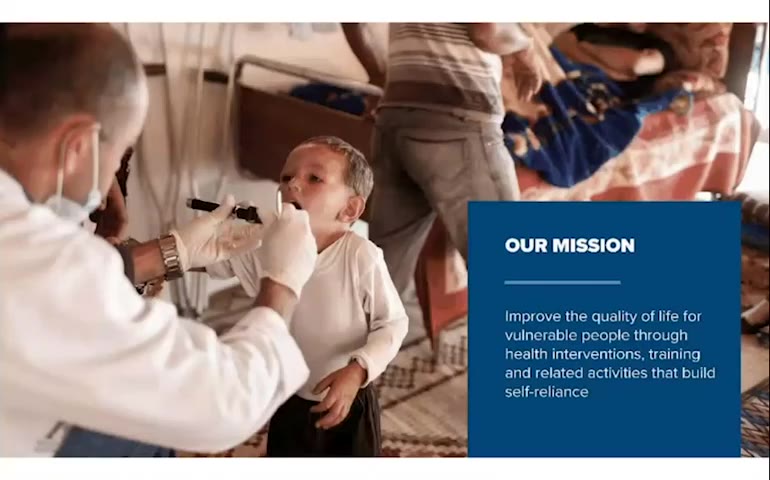
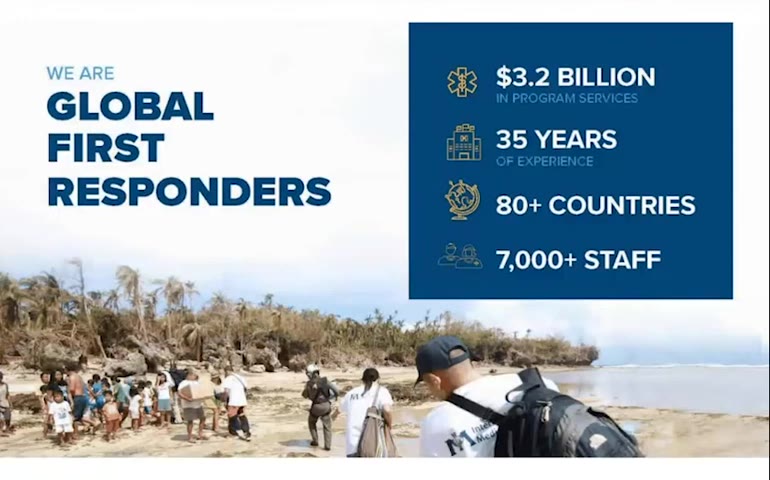
Ryan, the training and operations officer in the Emergency Response Unit at International Medical Corps, introduces Dr. John Fogle and Dr. Kevin Blust as subject matter experts. Dr. Fogle specializes in emergency medicine, while Dr. Blust is a medical anthropologist. International Medical Corps' mission is to improve quality of life through health interventions, responding to emergencies and strengthening local health systems.
Dr. Fogle prefaces the talk by stating that the information surrounding COVID-19 is constantly changing. The focus will be on current knowledge, acknowledging the rapid pace of developments. The presentation is subject to updates due to the evolving nature of the virus.
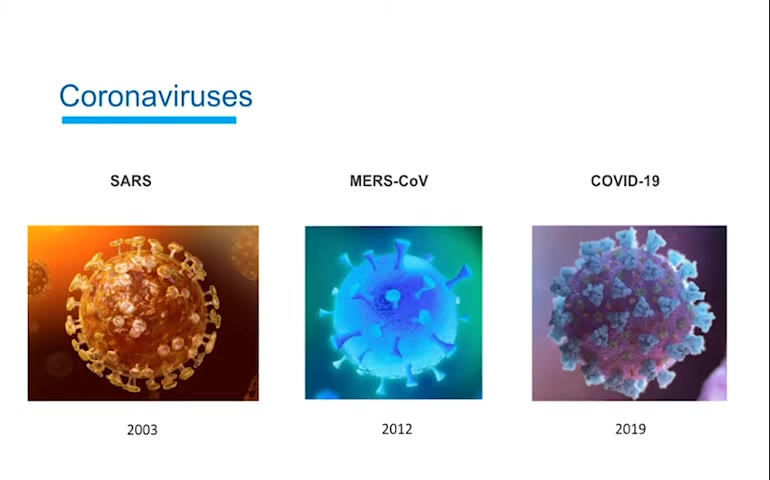
COVID-19 is an RNA virus related to SARS and MERS-CoV. Corona means crown, referring to its physical structure. Unlike SARS and MERS, COVID-19 is more transmissible but less deadly, contributing to its pandemic status. SARS and MERS were contained more effectively.
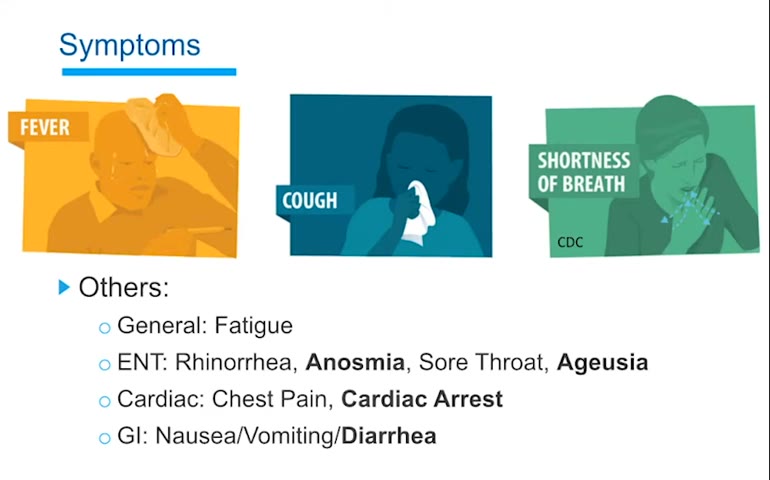
Classic symptoms include fever, cough, and shortness of breath. Less typical symptoms, such as loss of smell and taste, may precede classic symptoms. Patients may present with cardiac arrest or GI symptoms. Assume every patient is COVID-19 positive and wear appropriate PPE.
COVID-19 spreads through droplets and contact. Droplet transmission requires surgical masks (for both patient and healthcare worker). Airborne precautions (N95 mask, eye shield) are needed during aerosolization (e.g., intubation). Contact precautions involve frequent hand washing and glove use due to uncertain virus survival on surfaces.
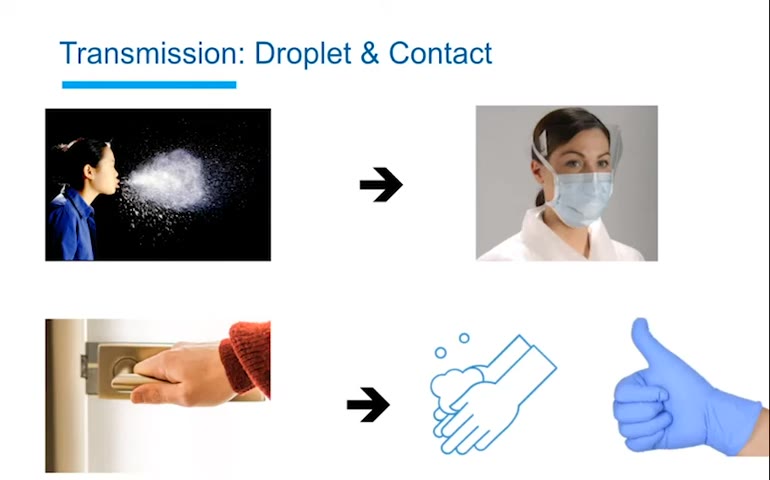
Good hand hygiene means 20-40 seconds of thorough hand washing with soap and water or alcohol-based sanitizer. This is crucial for preventing contact transmission of the virus.
関連リソース

Intro to Epidemiology: Origins & Triumphs
Axis Lab
Presenting Clinical Research Results Effectively
Axis Lab

Cancer Metabolism: From Molecules to Medicine
Axis Lab
Cardiovascular Research Training Program at UNM
Axis Lab
Tissue Gnostics: Lymphoid Structures & Cancer
Axis Lab

Minamata Convention & Health Sector: Mercury-Added Products
Axis Lab