
Cardiovascular Research Training Program at UNM
The University of New Mexico School of Medicine
Learn about the Cardiovascular Research Training Program at the University of New Mexico Health Sciences Center. This NIH-funded program offers extensive training in cardiovascular disease research.
- Faculty mentors from various departments
- Research in vascular biology, toxicology, and cell signaling
- Clinical and translational research opportunities
- Training in grant writing skills
- State-of-the-art microscopy and molecular biology facilities
概要
重要ポイント
- 1The CRTP at UNM offers comprehensive training in cardiovascular research, supported by NIH funding and experienced faculty mentors.
- 2The program emphasizes an integrative approach, connecting molecular findings with physiological significance in whole organisms.
- 3Trainees receive financial support for stipends, tuition, travel, and research-related expenses, facilitating their research and professional development.
- 4A key program requirement is the submission of a pre- or post-doctoral fellowship application, fostering critical grant writing skills.
- 5The program's curriculum includes a cardiovascular journal club and seminar series, ensuring broad training in cardiovascular physiology.
- 6Research areas span vascular biology, toxicology, cell signaling, and clinical/translational research, providing diverse opportunities for trainees.
- 7The CRTP has a strong track record of placing trainees in research-intensive positions in academia, government, and the biotech industry.
ウォークスルー
スライド内容
Tom Resta, the program director, introduces the Cardiovascular Research Training Program at the University of New Mexico Health Sciences Center. The slide showcases the Rio Grande bosque and Sandia Mountains, highlighting the program's location in Albuquerque.
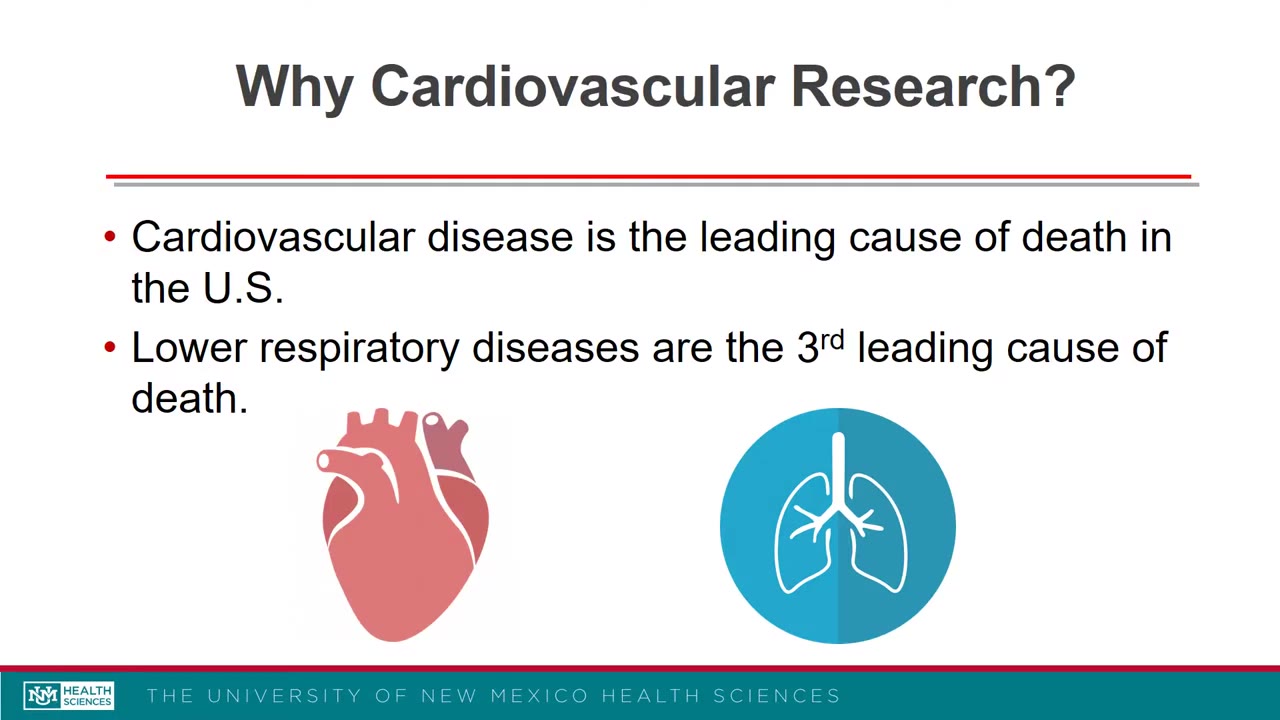
Cardiovascular disease is a leading cause of death in the United States. Lower respiratory diseases, often resulting in pulmonary vascular dysfunction and hypertension, are also significant. Pulmonary hypertension is a major research focus at the Health Sciences Center.
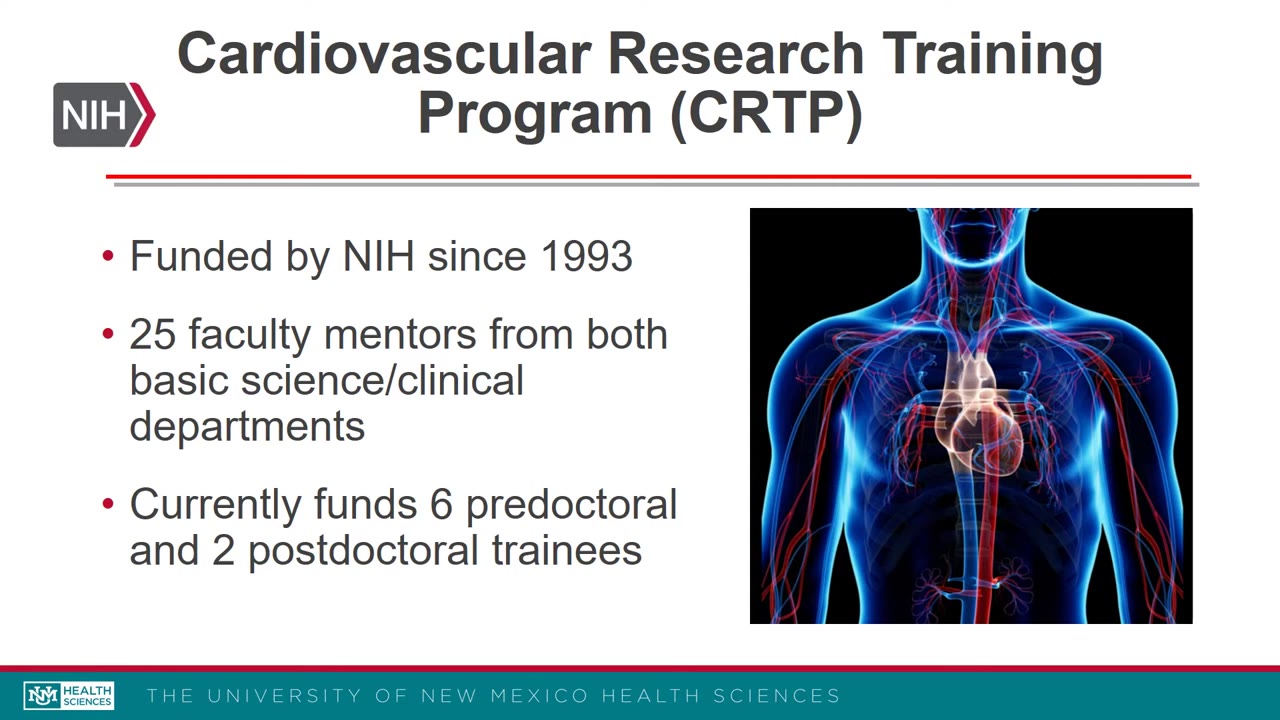
The program has been continuously funded by a T-32 grant from the NIH since 1993. It includes 25 faculty mentors from various departments and currently funds six pre-doctoral and two post-doctoral trainees. The program has a strong record of producing successful scientists.
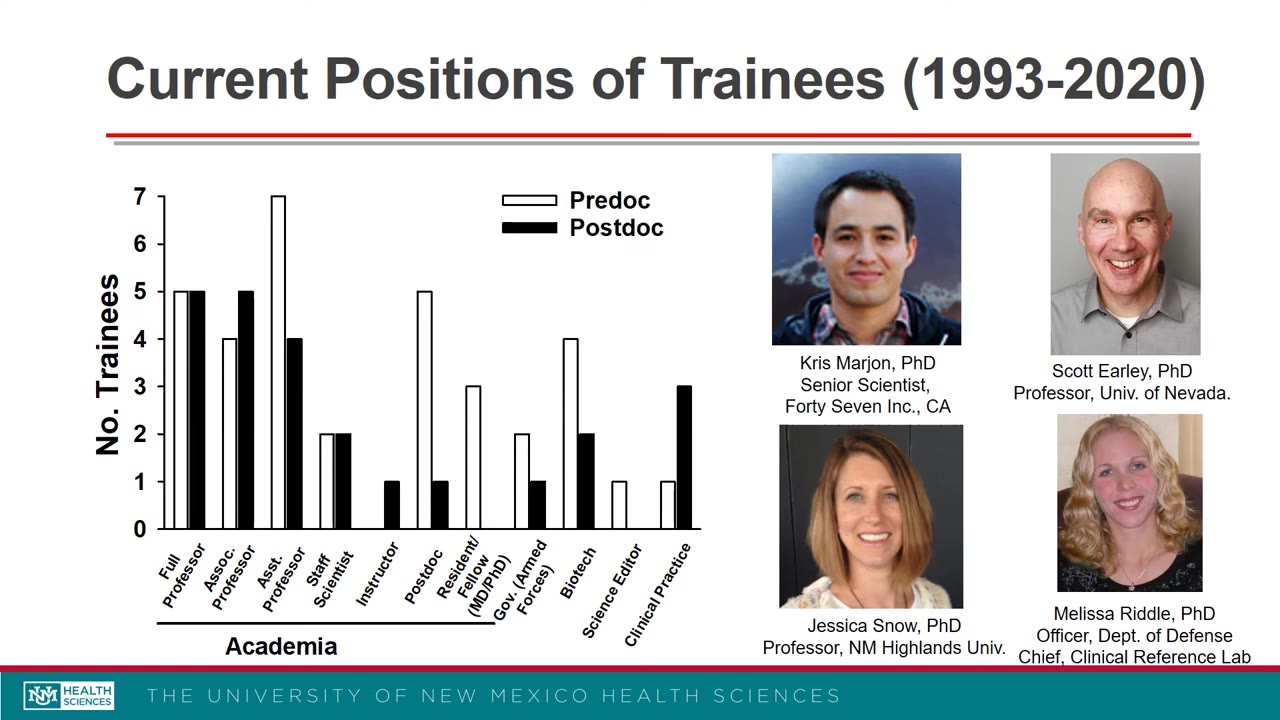
Most program alumni hold academic positions, with others in government research (including the armed forces) and the biotech industry. Almost all are in research-intensive roles. Examples include Chris Margin (senior scientist in biotech), Scott Early (professor with multiple NIH grants), Jessica Snow (professor with NIH and AHA grants), and Melissa Riddle (officer with the Department of Defense).
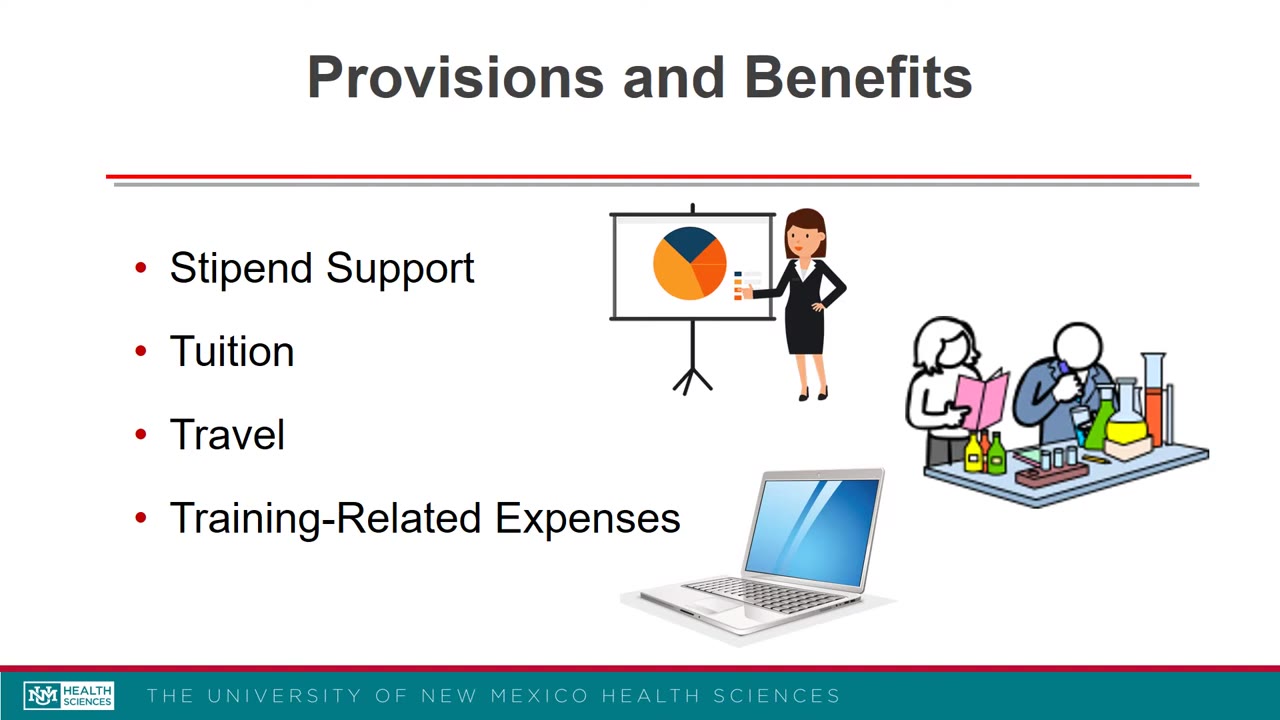
Trainees receive an NIH-level stipend, tuition coverage, travel funds for conferences, and flexible support for health insurance, lab supplies, and computer equipment. Support can extend up to five years for graduate students and three years for post-doctoral fellows.
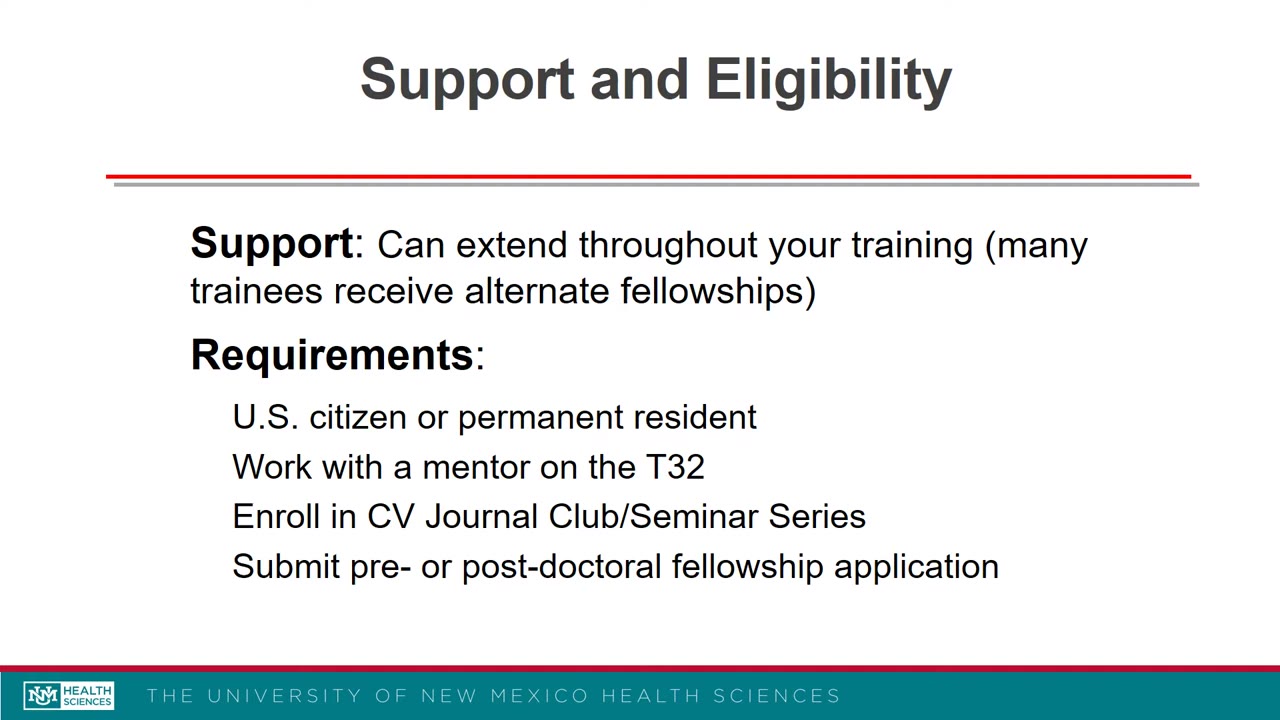
Eligibility requires U.S. citizenship or permanent residency, working with a designated mentor on cardiovascular disease, enrollment in the cardiovascular journal club seminar series, and submission of a pre- or post-doctoral fellowship application to develop grant writing skills.
関連リソース

Intro to Epidemiology: Origins & Triumphs
Axis Lab
Presenting Clinical Research Results Effectively
Axis Lab
COVID-19: What We Think We Know
Axis Lab

Cancer Metabolism: From Molecules to Medicine
Axis Lab
Tissue Gnostics: Lymphoid Structures & Cancer
Axis Lab

Minamata Convention & Health Sector: Mercury-Added Products
Axis Lab