
Updated "Healthy" Nutrient Content Claim: Final Rule – Webinar
U.S. Food and Drug Administration
Here is a summary of the webinar:
This video is a webinar from the U.S. Food and Drug Administration (FDA) detailing the final rule to update the definition of the "healthy" nutrient content claim on food labels [00:01]. The main goal is to align the claim with current nutrition science and the Dietary Guidelines for Americans [01:32].
Key aspects of the new rule include:
- New Framework: The updated definition uses a "food group based approach" [04:38]. To use the "healthy" claim, a product must now contain a meaningful amount (a "food group equivalent") of at least one recommended food group, such as vegetables, fruits, grains, dairy, or protein [04:44].
- Nutrients to Limit: In addition to the food group requirement, the product must adhere to specific limits for saturated fat, sodium, and added sugars [04:50].
- Exemptions: The final rule expands exemptions to automatically include single-ingredient foods encouraged by the dietary guidelines (like raw whole fruits and vegetables, unsalted nuts, and brown rice) [07:26]. Water, as well as low-calorie tea and coffee without added caffeine, also automatically qualify [19:49].
- Flexibility: The rule introduces more flexibility for combination foods (like mixed products, main dishes, and meals) [13:30] and adjusts criteria for foods with small serving sizes (RACC) [08:29].
- Compliance: Manufacturers are given three years to comply with the new requirements, with a compliance date of February 25, 2028 [21:13].
- Future Plans: The FDA is also in the process of developing a "healthy" symbol that manufacturers can use on packaging to help consumers quickly identify qualifying products [22:40].
The webinar consists of a presentation of these new rules followed by a question-and-answer session [00:49, 24:16].
You can watch the full video here: http://www.youtube.com/watch?v=lVfpWyFyDFw
内容摘要
核心要点
- 1The updated 'healthy' claim aligns with current dietary guidelines, emphasizing food groups and limiting saturated fat, sodium, and added sugars.
- 2Single-ingredient foods like fruits, vegetables, and unsalted nuts automatically qualify for the 'healthy' claim without meeting specific nutrient criteria.
- 3For foods with small serving sizes, nutrient criteria are calculated on a 50-gram basis to ensure fair assessment.
- 4The final rule provides flexibility for combination foods, streamlining nutrient limits and allowing for variations in food group proportions.
- 5Water, plain coffee, and tea (without added caffeine) automatically qualify for the 'healthy' claim.
- 6Manufacturers have three years to comply with the updated requirements, but can adopt them earlier.
- 7The FDA is developing a 'healthy' symbol to provide a quick visual cue for consumers.
演示预览
幻灯片内容
The webinar introduces the FDA's final rule updating the definition of the 'healthy' nutrient content claim. Speakers include Dayle Cristinzio, Captain Blakeley Fitzpatrick, Dr. Sarah Gabauer, and Vincent de Jesus. The session will cover key changes, address questions, and provide background information.
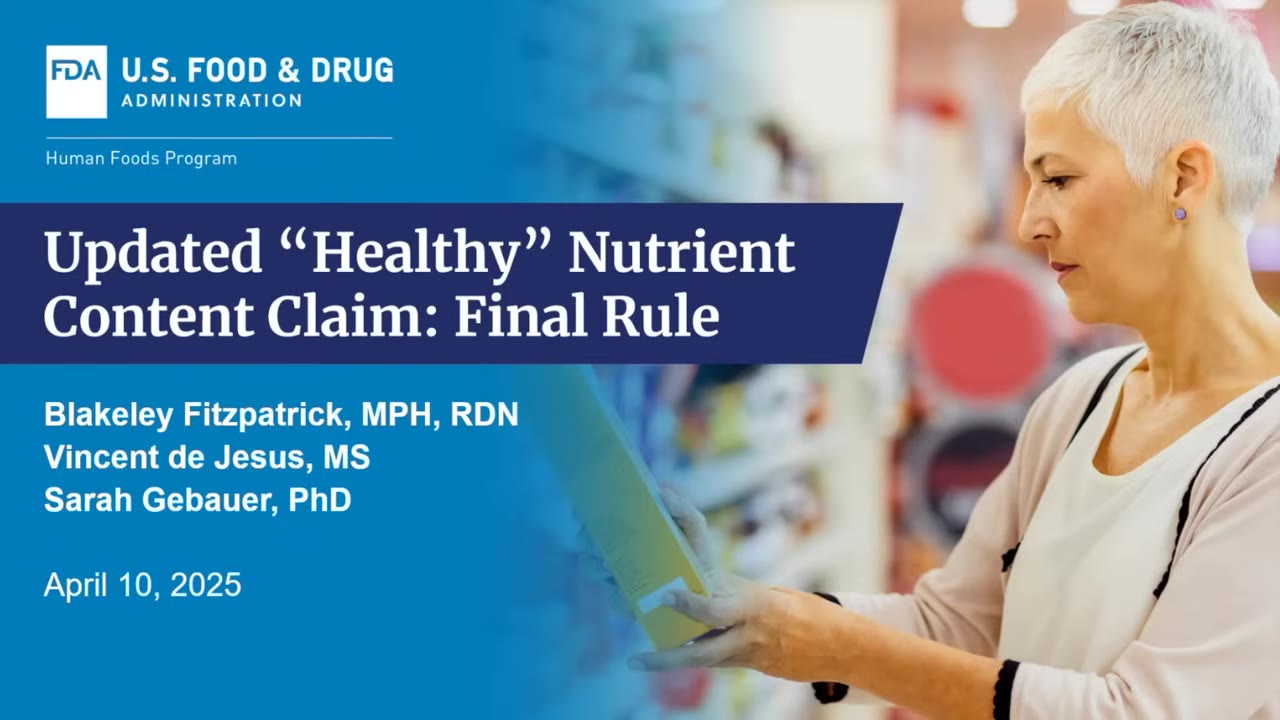
Captain Fitzpatrick highlights that the final rule aligns the 'healthy' claim with current nutrition science and dietary recommendations. The claim aims to help consumers identify foods foundational to a healthy diet and supports the FDA's commitment to reducing diet-related chronic diseases. The presentation will cover key changes to the criteria.
The presentation will provide background on the 'healthy' claim and the proposed rule, discuss public comments and marketplace review, outline the final rule, and provide information on resources and next steps. Vincent de Jesus will begin the detailed discussion.
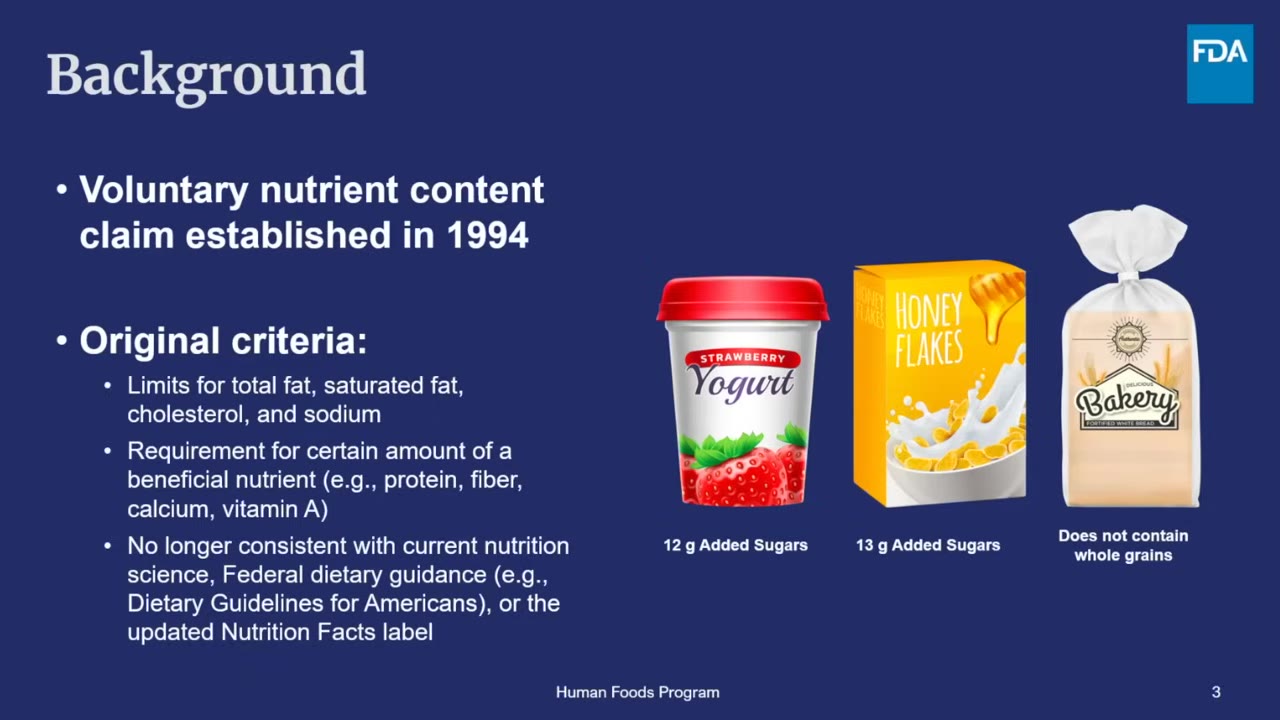
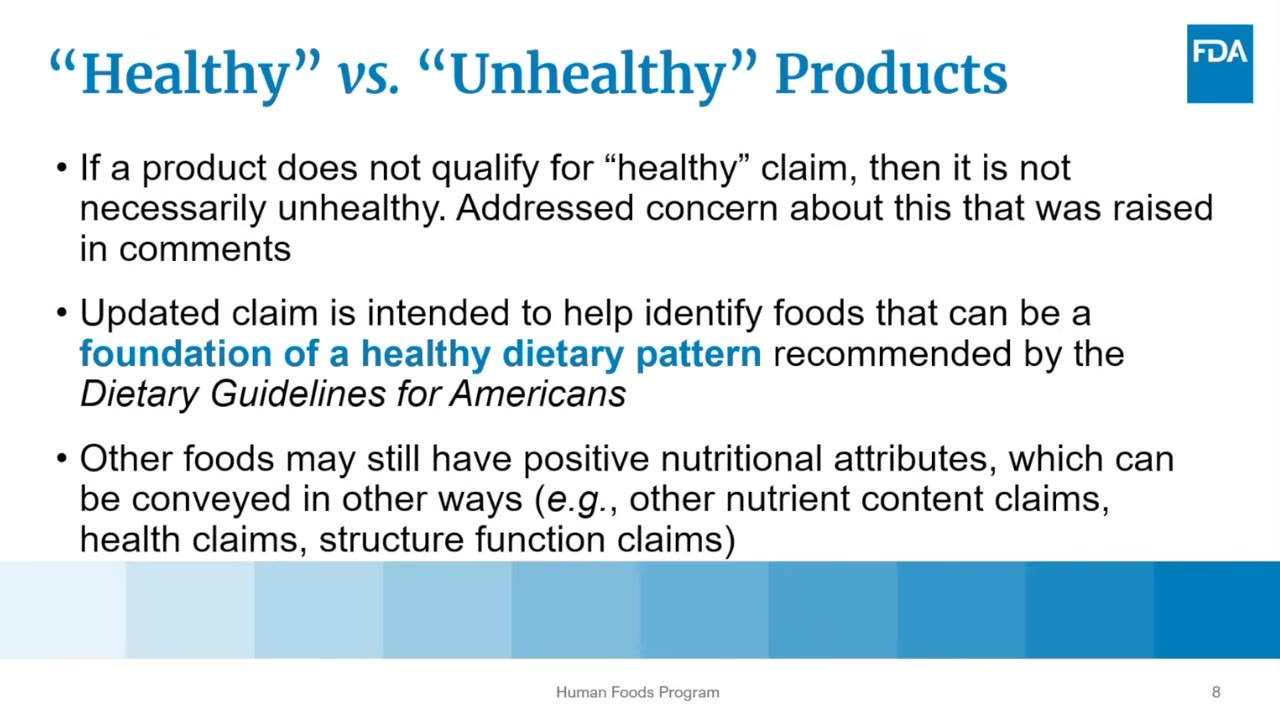
The 'healthy' nutrient content claim, established in 1994, is a voluntary claim intended to inform consumers about foods beneficial for a balanced diet. The original criteria focused on limiting total fat, saturated fat, sodium, and cholesterol, and requiring a minimum amount of beneficial nutrients. However, these criteria are outdated and inconsistent with current nutrition science.
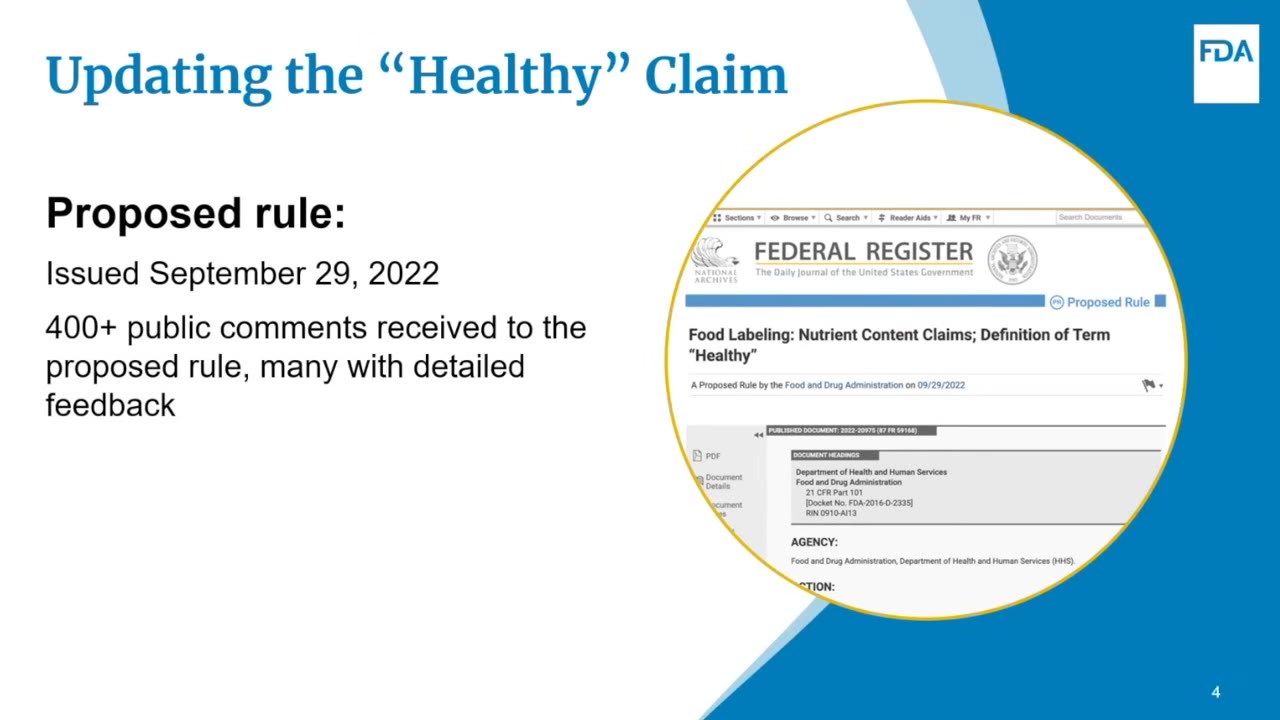
The original criteria allowed some less nutritious products to be labeled as 'healthy.' The proposed rule, published in 2022, received over 400 public comments. Updates establish a new framework using a food group-based approach with limits on saturated fat, sodium, and added sugars. Products must contain a meaningful amount of at least one food group.
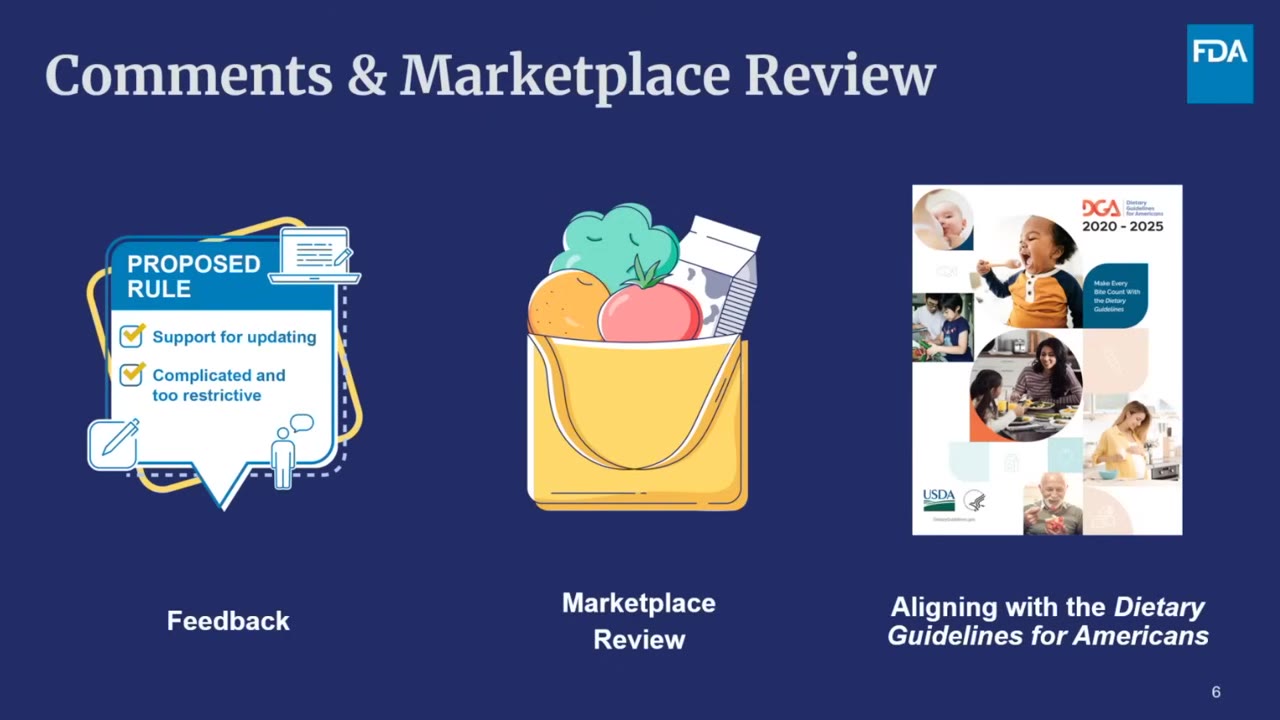
Feedback on the proposed rule generally supported updating the claim but found the criteria complicated and restrictive. A marketplace review assessed which foods would meet the proposed criteria and alternative criteria. Changes were made in the final rule to streamline requirements while aligning with the Dietary Guidelines for Americans.
相关资源

Intro to Epidemiology: Origins & Triumphs
Axis Lab
Presenting Clinical Research Results Effectively
Axis Lab

COVID-19: What We Think We Know
Axis Lab

Cancer Metabolism: From Molecules to Medicine
Axis Lab
Cardiovascular Research Training Program at UNM
Axis Lab

Tissue Gnostics: Lymphoid Structures & Cancer
Axis Lab