
Cancer Metabolism: From Molecules to Medicine
Harvard Medical School
This Harvard Medical School seminar explores cancer metabolism, examining how cancer cells differ from normal cells in their fuel usage and how this knowledge can lead to new therapies.
Key highlights include:
- Understanding the role of cellular fuels in cancer biology.
- How tumor cells integrate growth signals and nutrient metabolism.
- The metabolic communication between tumor cells and their environment.
- Exploring potential metabolic vulnerabilities in cancer cells.
内容摘要
核心要点
- 1Cancer cells exhibit altered metabolism compared to normal cells, driven by mutations and growth signaling, leading to increased fuel uptake and utilization for building macromolecules.
- 2Targeting metabolic pathways in cancer cells, particularly those involved in fuel utilization and byproduct recycling, presents a promising avenue for therapeutic intervention.
- 3The mTOR pathway acts as a central regulator of cell growth and metabolism, making it a key target for cancer therapy, although resistance mechanisms can develop.
- 4Creating metabolic imbalances within tumor cells by selectively inhibiting specific metabolic pathways while leaving others intact can induce tumor collapse.
- 5Different tumor types have unique metabolic signatures, necessitating a personalized approach to cancer therapy that considers the specific metabolic vulnerabilities of each tumor.
- 6Cancer metabolism research has broad implications beyond cancer, informing our understanding of metabolism in immunology, stem cell biology, and other fields.
- 7Technological advancements are crucial for mapping the precise metabolic mechanisms and pathways altered in cancer cells, driving innovation in cancer research.
演示预览
幻灯片内容
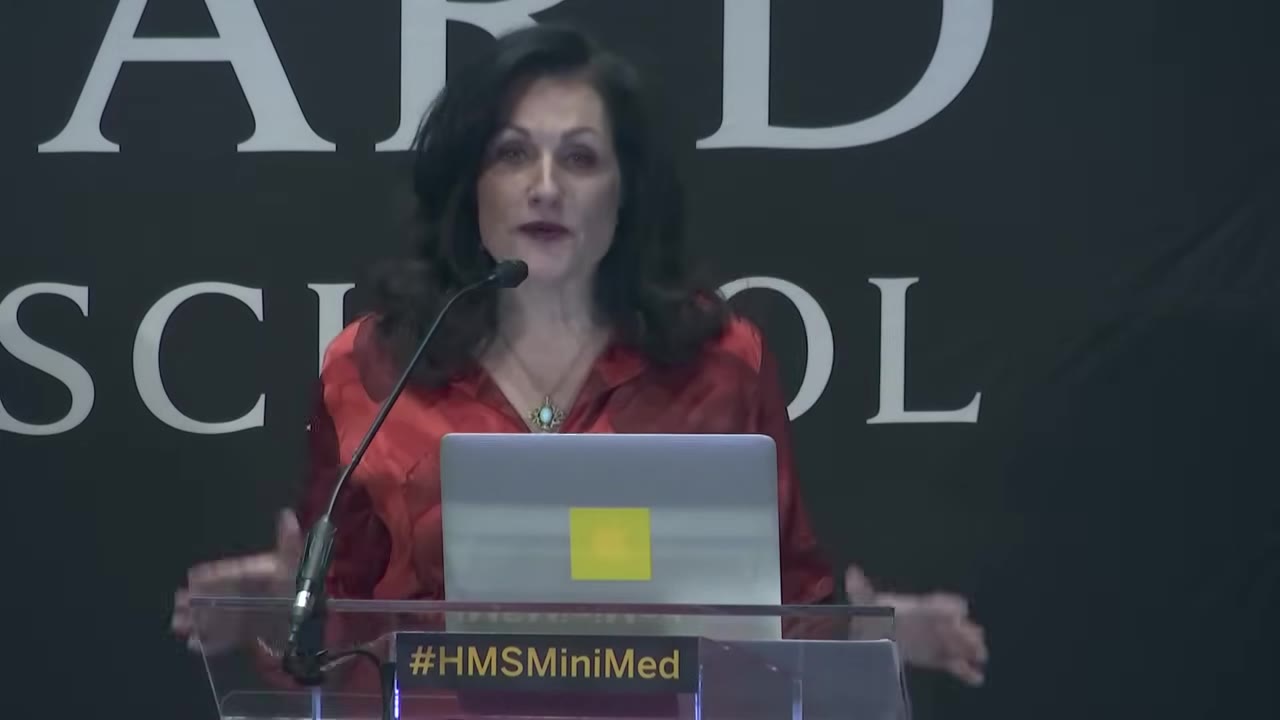
Harvard Medical School's Mini-Med School program welcomes attendees to learn about science and health issues from expert faculty. The program aims to educate and engage the public in the latest research and medical breakthroughs, fostering a deeper understanding of complex topics.
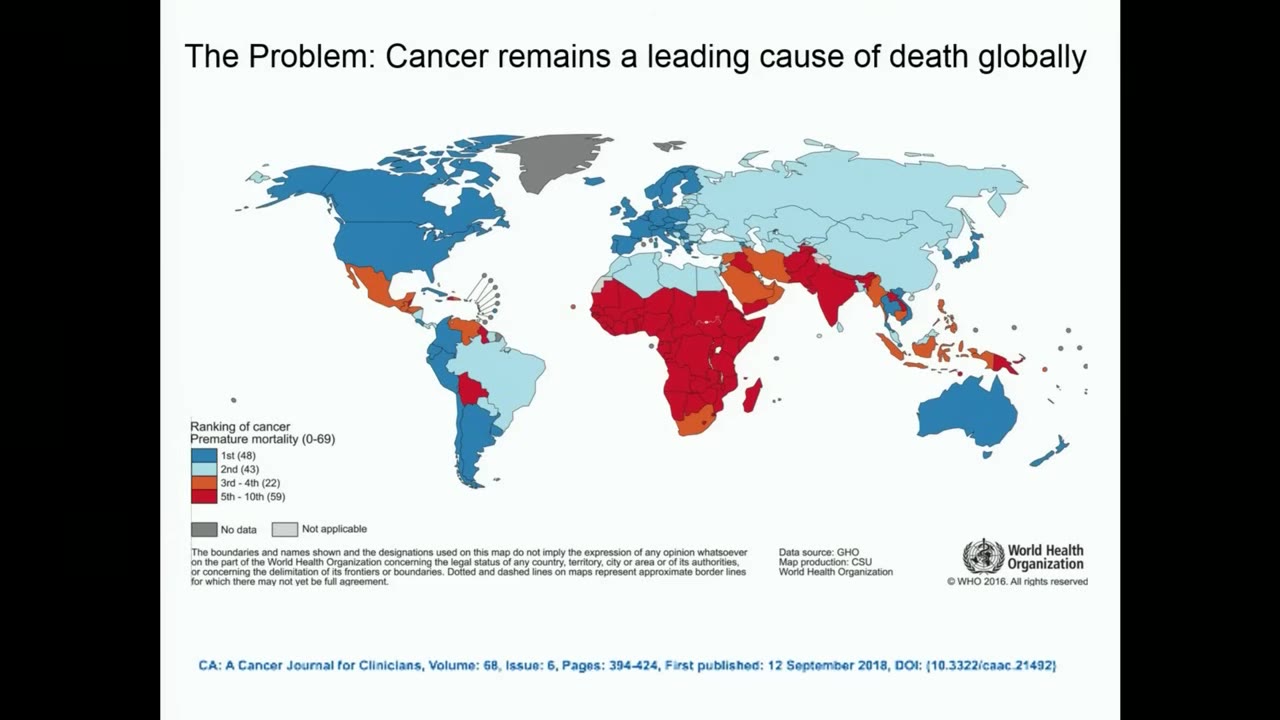
Cancer remains a leading cause of death globally, with millions of new cases diagnosed each year. Research focuses on understanding how cancer metabolism differs from normal cell metabolism to develop effective treatments that target the disease's spread.
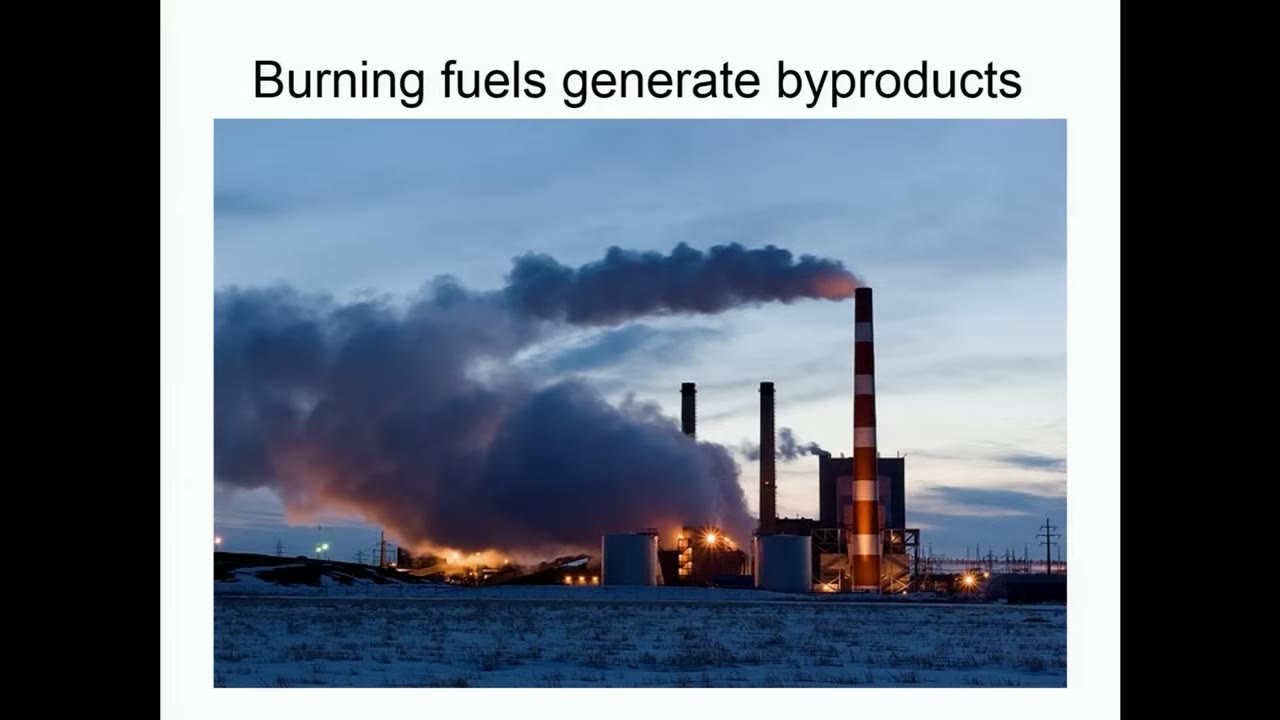
The lecture draws an analogy between traditional fuels and the metabolic fuels used by our bodies. Foods are broken down into metabolites, which cells process for energy and building blocks. Cancer metabolism explores how these processes are altered in tumor cells.
Key questions in cancer metabolism include understanding how tumor cells differ from normal cells in fuel metabolism, how they integrate growth signals and nutrient metabolism, and how they communicate metabolically with their environment. The ultimate goal is to exploit metabolic vulnerabilities for improved patient care.
Cells use various fuels like sugars, fatty acids, and amino acids to generate energy (ATP) and building blocks for macromolecules (DNA, RNA, proteins, lipids). Cancer cells upregulate fuel usage to support unchecked proliferation, making these processes potential therapeutic targets.
Tumors exhibit a dynamic competition for fuels with surrounding healthy cells. Identifying the precise molecular pathways tumors use to exploit metabolic fuel preferences can lead to targeted therapies that minimize side effects and improve patient outcomes.
相关资源

Intro to Epidemiology: Origins & Triumphs
Axis Lab
Presenting Clinical Research Results Effectively
Axis Lab
COVID-19: What We Think We Know
Axis Lab
Cardiovascular Research Training Program at UNM
Axis Lab
Tissue Gnostics: Lymphoid Structures & Cancer
Axis Lab

Minamata Convention & Health Sector: Mercury-Added Products
Axis Lab