
Clinical Trial Contract Negotiation: Key Clauses
Florida Research Administration Conference FRAC
Learn to negotiate clinical trial contracts effectively. Expert Carmichael Slocum discusses crucial clauses and common sticking points in sponsor-initiated trials.
Key highlights:
- Parties involved and avoiding three-party agreements.
- Record issues and data management best practices.
- Confidentiality considerations for all parties.
- Publication rights and multicenter language solutions.
- Indemnification and dispute resolution strategies.
概要
重要ポイント
- 1Avoid three-party agreements where the Principal Investigator (PI) is an employee of the institution; the agreement should be between the institution and the sponsor.
- 2Ensure the CTA allows either party to terminate if a suitable substitute PI cannot be agreed upon, as a practical matter, consensus is essential for the trial's continuation.
- 3Replace the term 'medical records' with 'source documents' to align with FDA's ICH guidelines and ensure comprehensive coverage of relevant data.
- 4Address long-term record retention, including storage costs and responsibilities, especially for private practices or smaller institutions.
- 5Ensure the confidentiality clause is mutual, protecting the institution's pricing and personnel information, not just the sponsor's data.
- 6Clarify ownership of source documents, ensuring the institution's rights are protected, while acknowledging the sponsor's rights to study-specific data.
- 7Secure publication rights for the institution, subject to reasonable sponsor review for confidential information and potential patent considerations.
ウォークスルー
スライド内容
The presentation will cover specific clauses in clinical trial agreements that routinely require negotiation. These issues have persisted over time and are consistently encountered across various sponsors and institutions. The goal is to identify areas where standardized language can reduce negotiation cycles and promote efficiency. The focus is on sponsor-initiated trials, primarily with commercial entities like drug and device companies.
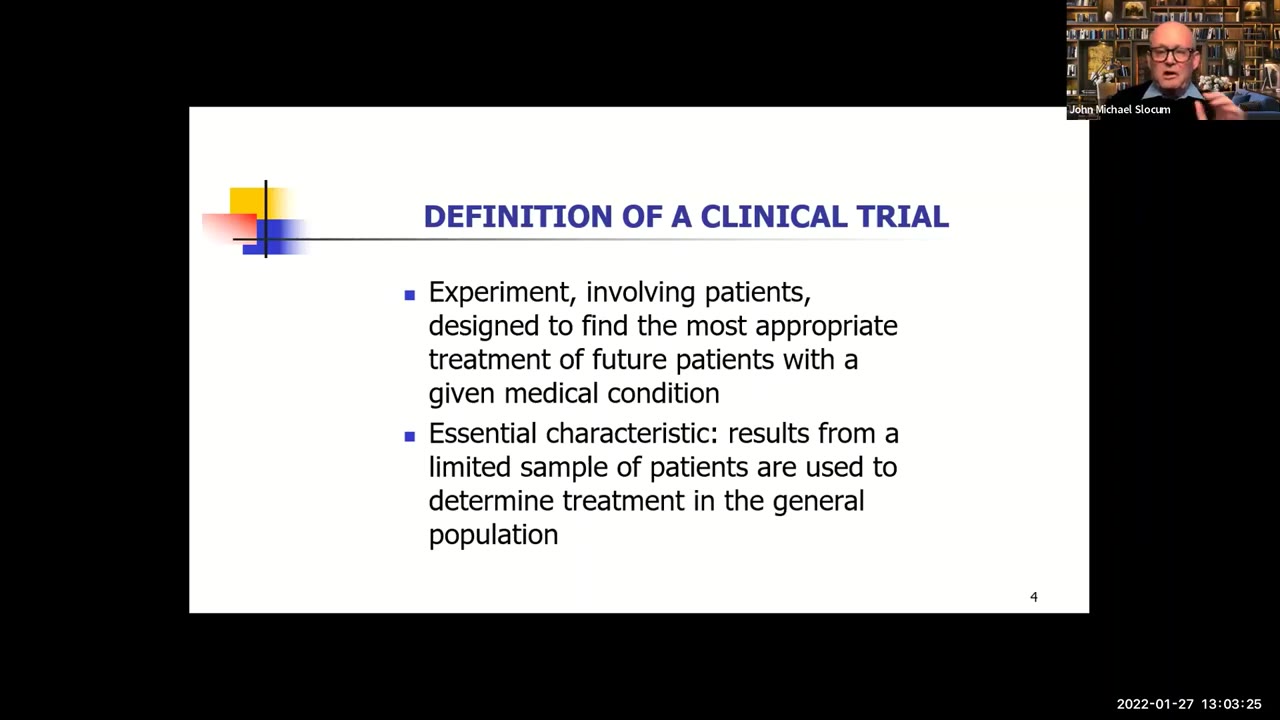
Clinical trials are primarily governed by the FDA. The discussion will focus on Phase 2 and Phase 3 trials, which involve safety, effectiveness, and dosage considerations. These trials are often contracted to institutions with access to the relevant patient populations. Phase 1 trials, which focus on safety, are typically conducted internally by drug companies.
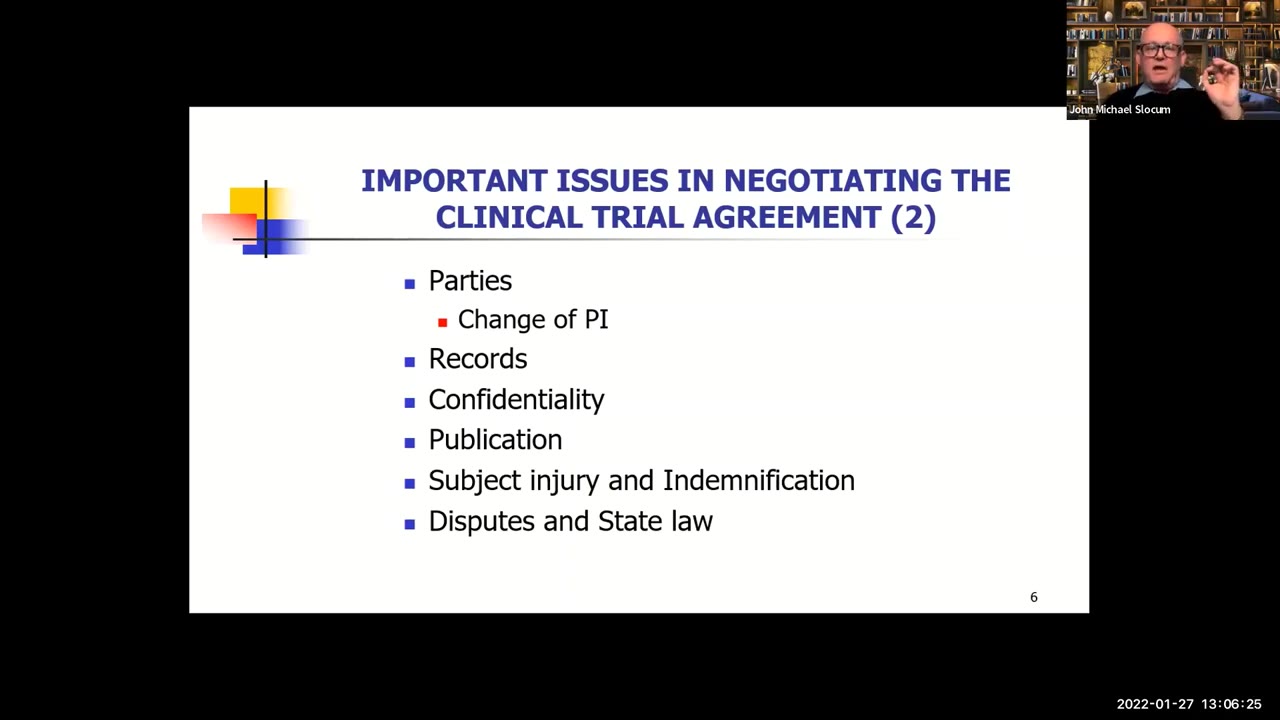
The presentation will not cover every clause in a standard clinical trial agreement. Instead, it will focus on clauses that consistently require negotiation and present recurring issues. These include parties, records, confidentiality, publication, subject injury, indemnification, and dispute resolution. The aim is to provide practical guidance on addressing these common challenges.
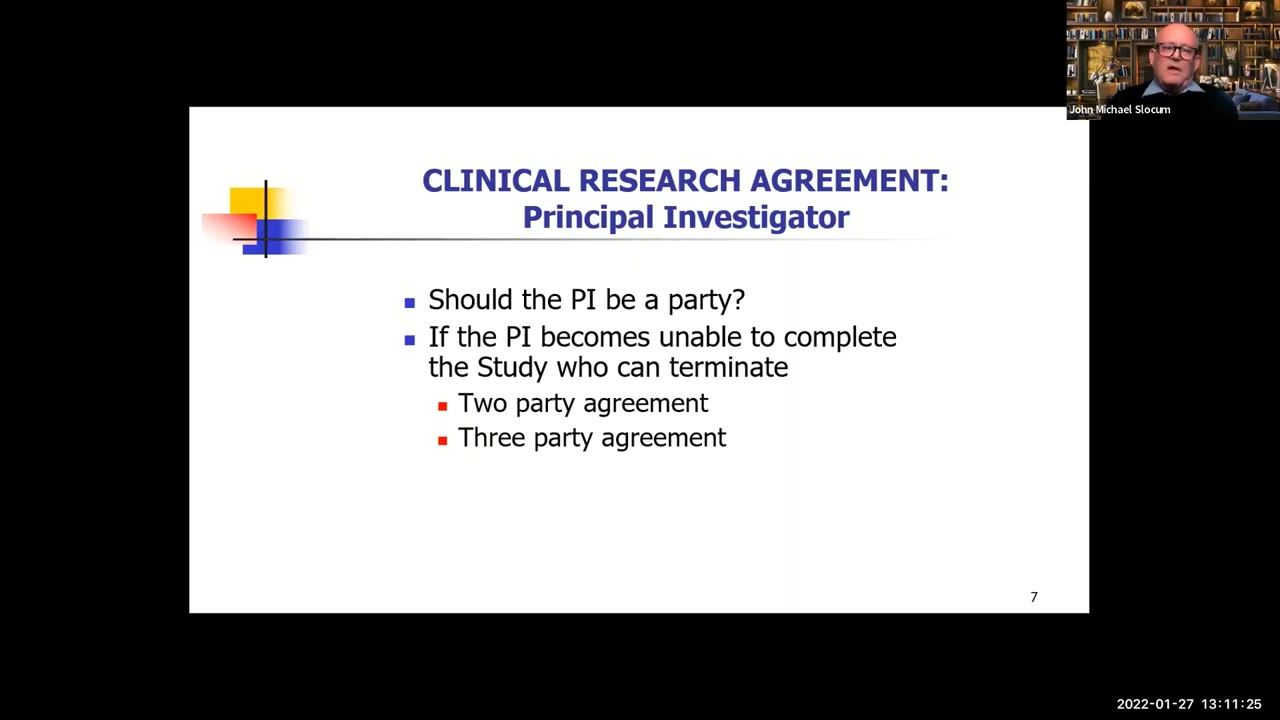
The first key issue is identifying the correct parties to the agreement. Avoid three-party agreements where the Principal Investigator (PI) is an employee of the institution. The agreement should be between the institution and the sponsor. The PI's role is defined by the FDA Form 1572. If the PI is not an employee, a three-party agreement may be appropriate, involving the PI or their affiliated entity.
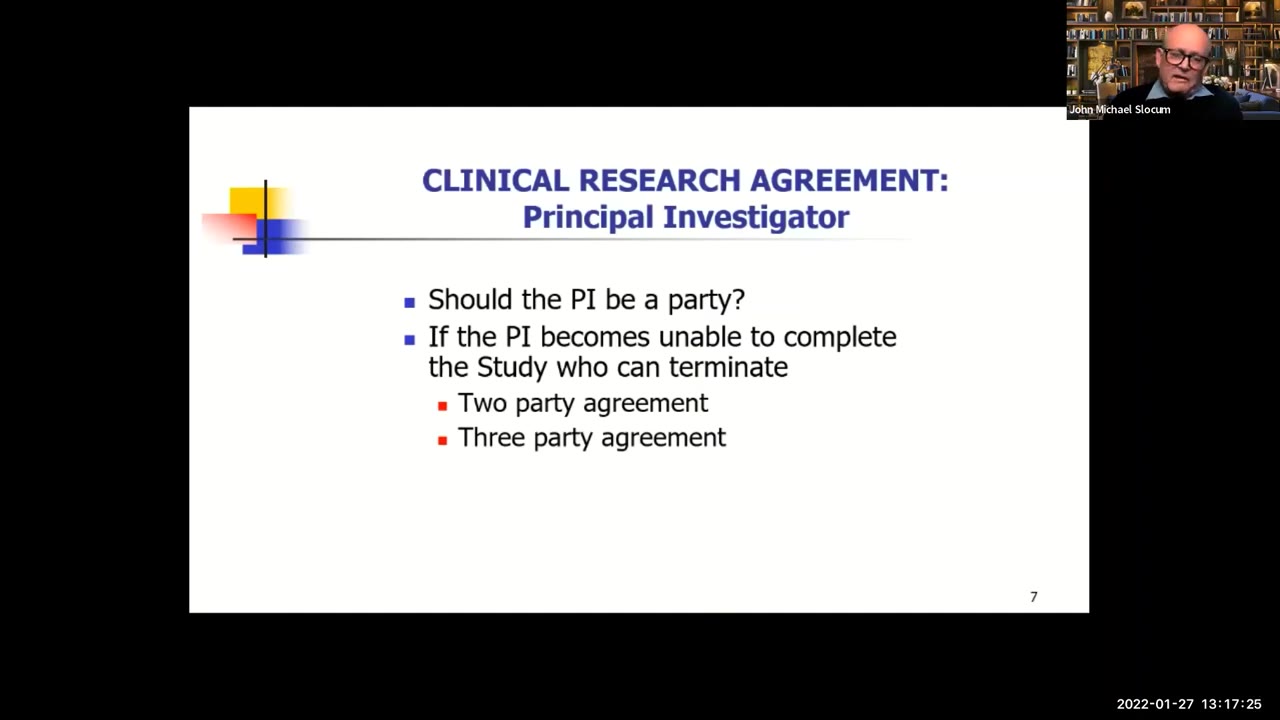
Address the scenario where the PI is unable to complete the study. Standard language allows the parties to agree on a substitute PI. However, if no agreement can be reached, either party should have the right to terminate the contract. This ensures a practical resolution when PI substitution becomes impossible.
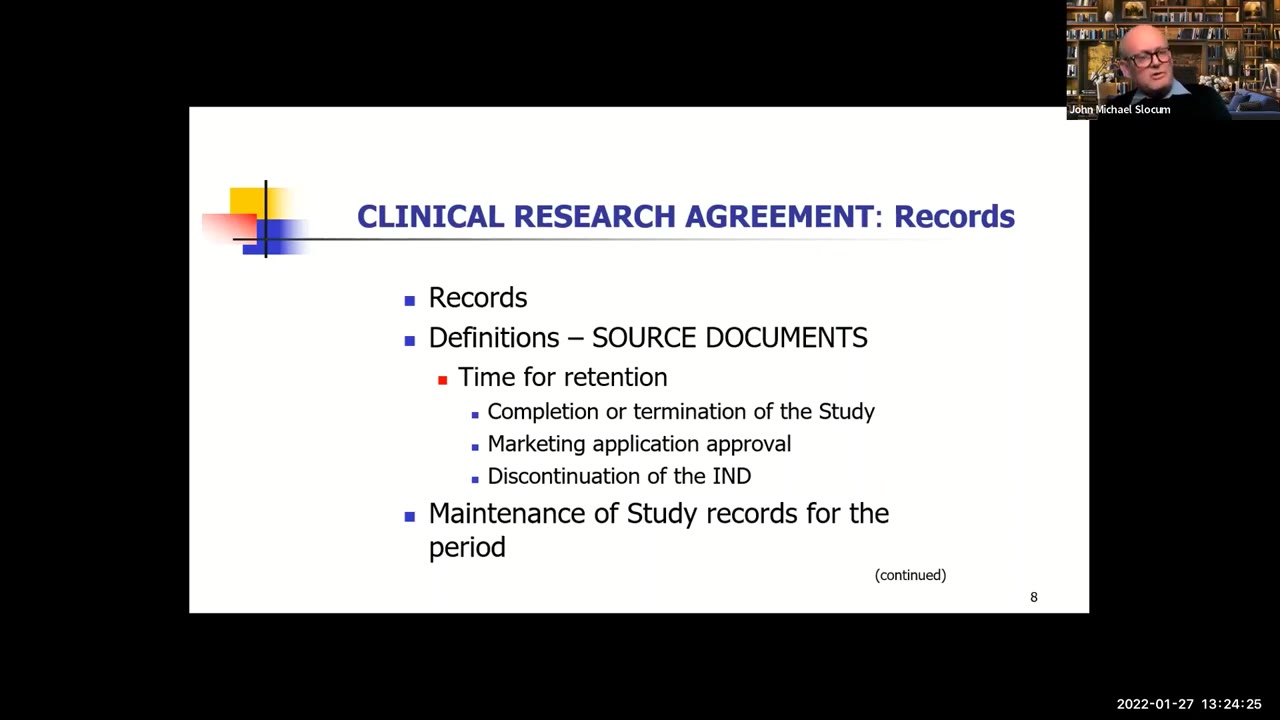
Records are discussed in various sections of the CTA, including records clauses, confidentiality sections, and definitions. It's crucial to define what constitutes a 'medical record.' The FDA's ICH E6 guidelines define 'source documents,' which should be used instead of or in addition to 'medical records' to ensure alignment with regulatory standards. State laws may have varying definitions of medical records.