
Microbiota & Neurodevelopment Explained
BINC Foundation
This video explores the role of the microbiota, the microbes living in and on us, and their impact on neurodevelopment and the central nervous system.
- The microbiota is a pool of bacteria, viruses, and fungi on our body surfaces.
- Early life exposure to microbes is crucial for development.
- Alterations in the microbiota are linked to various diseases.
- The gut and brain communicate through the microbiota.
- Restoring normal microbiota function can be achieved through prebiotics and diet.
概要
重要ポイント
- 1The microbiota, a diverse community of microorganisms, plays a crucial role in human health, particularly in early development.
- 2The early postnatal period is a critical window for microbiota establishment, influenced by factors like diet, environment, and antibiotic use.
- 3Dysbiosis, or imbalance in the microbiota, is associated with increased risk of various diseases, including neurological and immune disorders.
- 4The gut microbiota communicates with the brain through various mechanisms, including the production of signaling molecules that can affect brain function.
- 5Lifestyle factors, such as hygiene practices, diet, and antibiotic use, significantly impact the composition and diversity of the microbiota.
- 6Interventions like prebiotics, probiotics, and fecal microbiota transplantation hold promise for restoring a healthy microbiota and treating associated diseases.
- 7Further research is needed to fully understand the complex interactions between the microbiota, the host, and the environment in the context of health and disease.
ウォークスルー
スライド内容

The microbiota encompasses all microbes living within us, including bacteria, viruses, and fungi. This diverse community significantly impacts mammalian health, particularly influencing the development of the central nervous system. Understanding these interactions is crucial for addressing various health conditions.
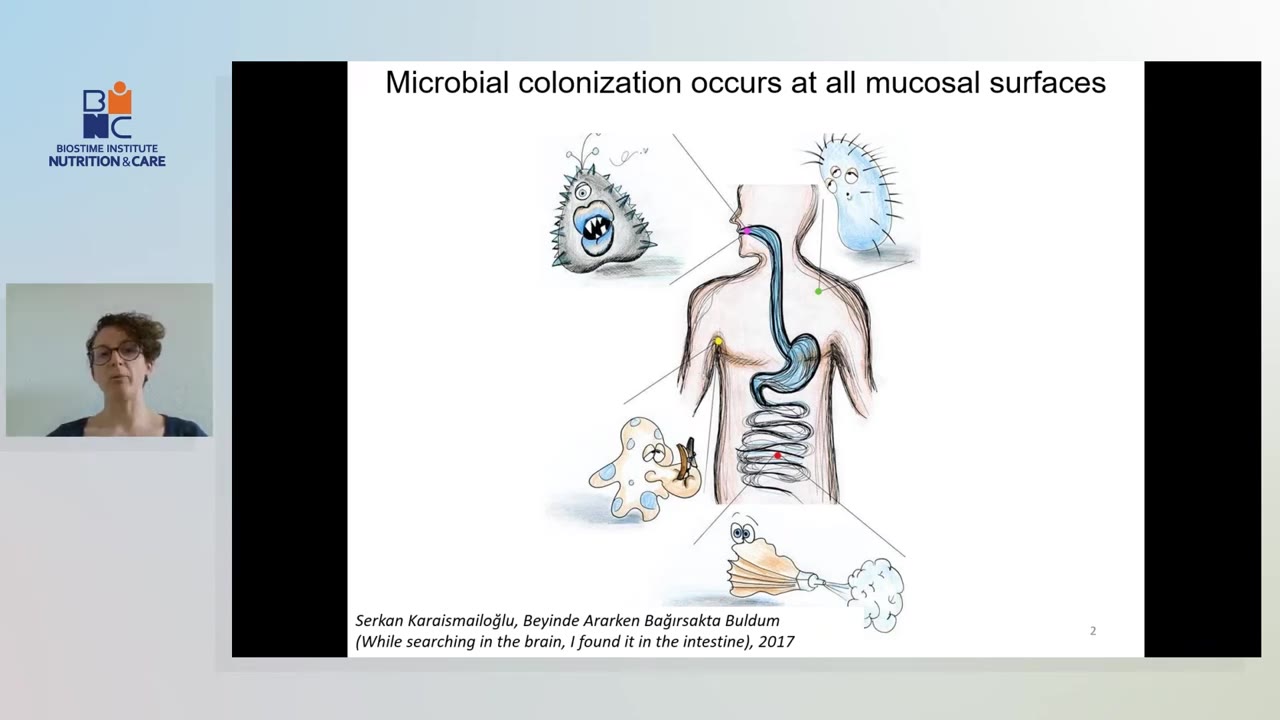
The microbiota is a complex ecosystem of bacteria, viruses, and fungi residing on mucosal surfaces like skin, mouth, gastrointestinal tract, and female genital tract. These microbes are vital for our health, contributing to various physiological processes and overall well-being.
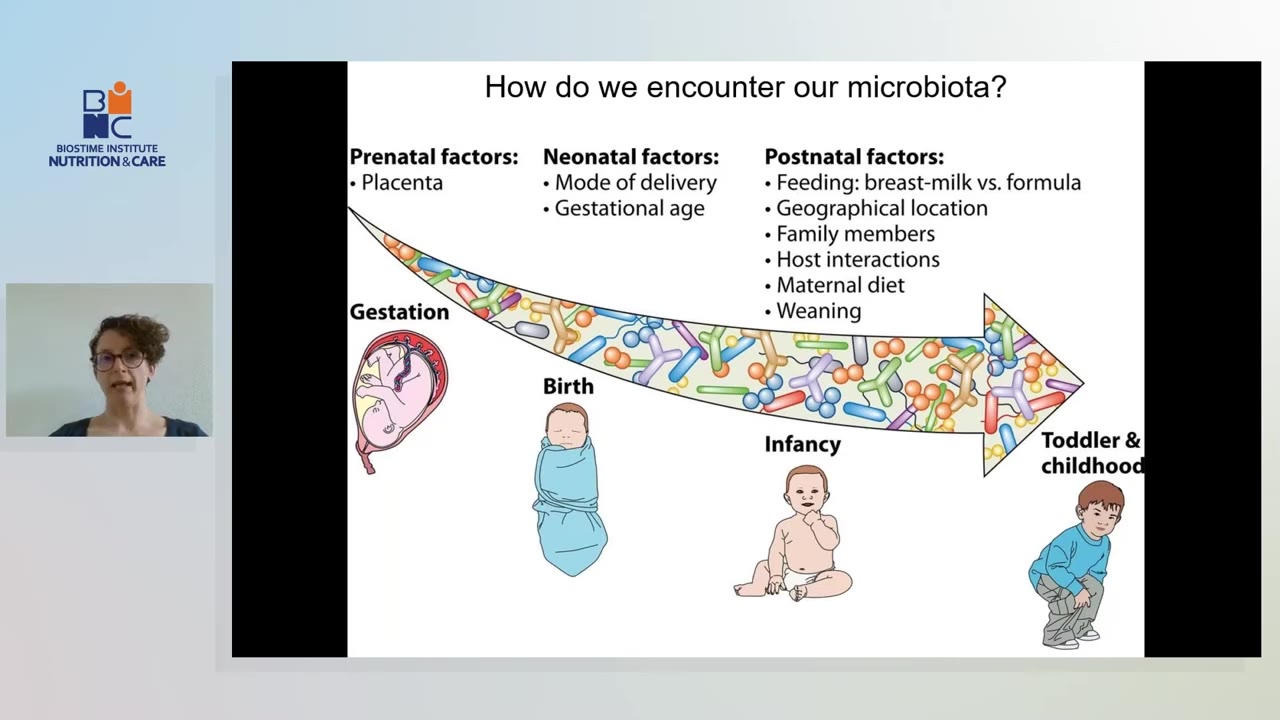
Microbial exposure begins at birth, as infants transition from a sterile uterine environment. Postnatal factors, such as feeding, family interactions, and geographical location, significantly shape the developing microbiota during the first 2-3 years of life, with long-term health implications.

Understanding microbiota development is crucial because alterations in gut microbiota composition and function are linked to numerous diseases. The microbiota performs beneficial functions, including vitamin production, immune system education, and synthesis of signaling molecules that impact distant organs.

Alterations in the composition and function of the microbiota can lead to dysfunction in various physiological processes. This includes impaired vitamin production, immune dysregulation, altered energy metabolism, and hormonal imbalances, all contributing to disease susceptibility.

The incidence of immune-related diseases affecting various organs, including the central nervous system, gastrointestinal system, pancreas, and lungs, has dramatically increased. This rise is attributed to environmental factors and lifestyle changes rather than solely to genetic mutations.